How a Photograph Sharpens the Mind
What the research on nature and attention reveals about focus, clarity, and the images we choose to work beside
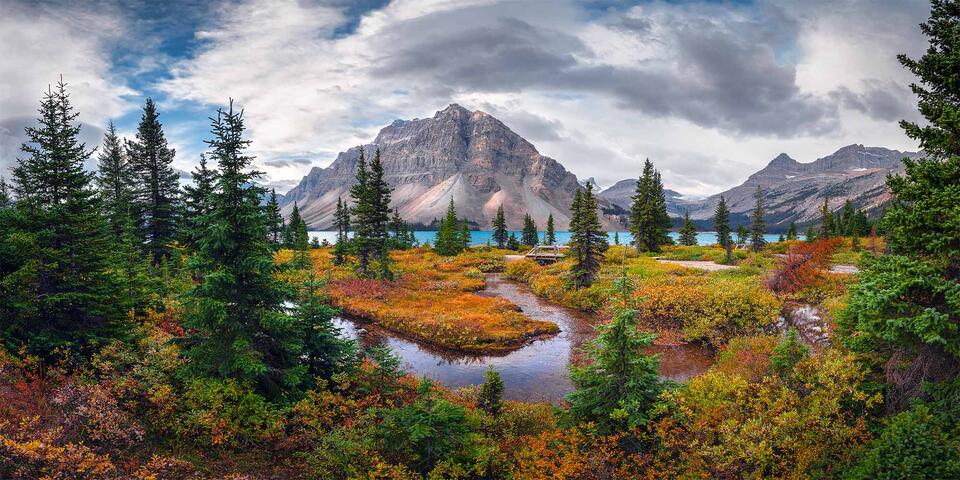
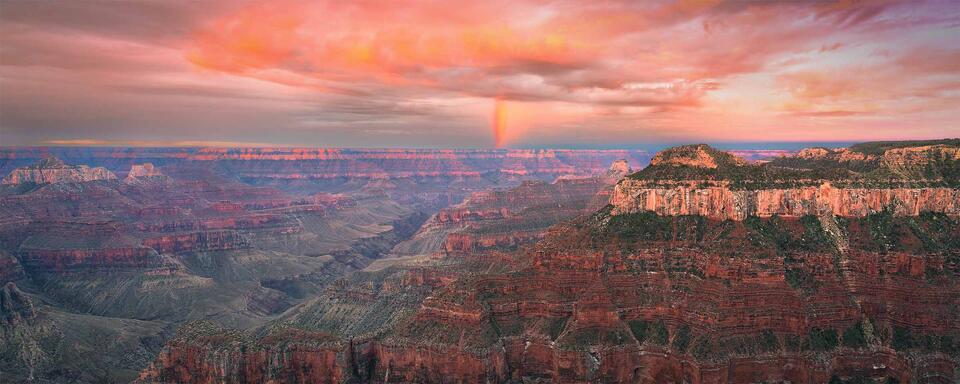
There is a state most of us know too well by the middle of a working day. The thoughts come slower. Decisions feel heavier than they should. You read the same sentence twice and still do not hold it. This is not a failure of will. It is the predictable result of a particular kind of attention being spent faster than it is replenished. What is less widely known is how quickly, and how simply, that attention can begin to recover. One of the more surprising answers is also one of the easiest to act on: look at nature. And not even real nature, necessarily. A picture of it can be enough.
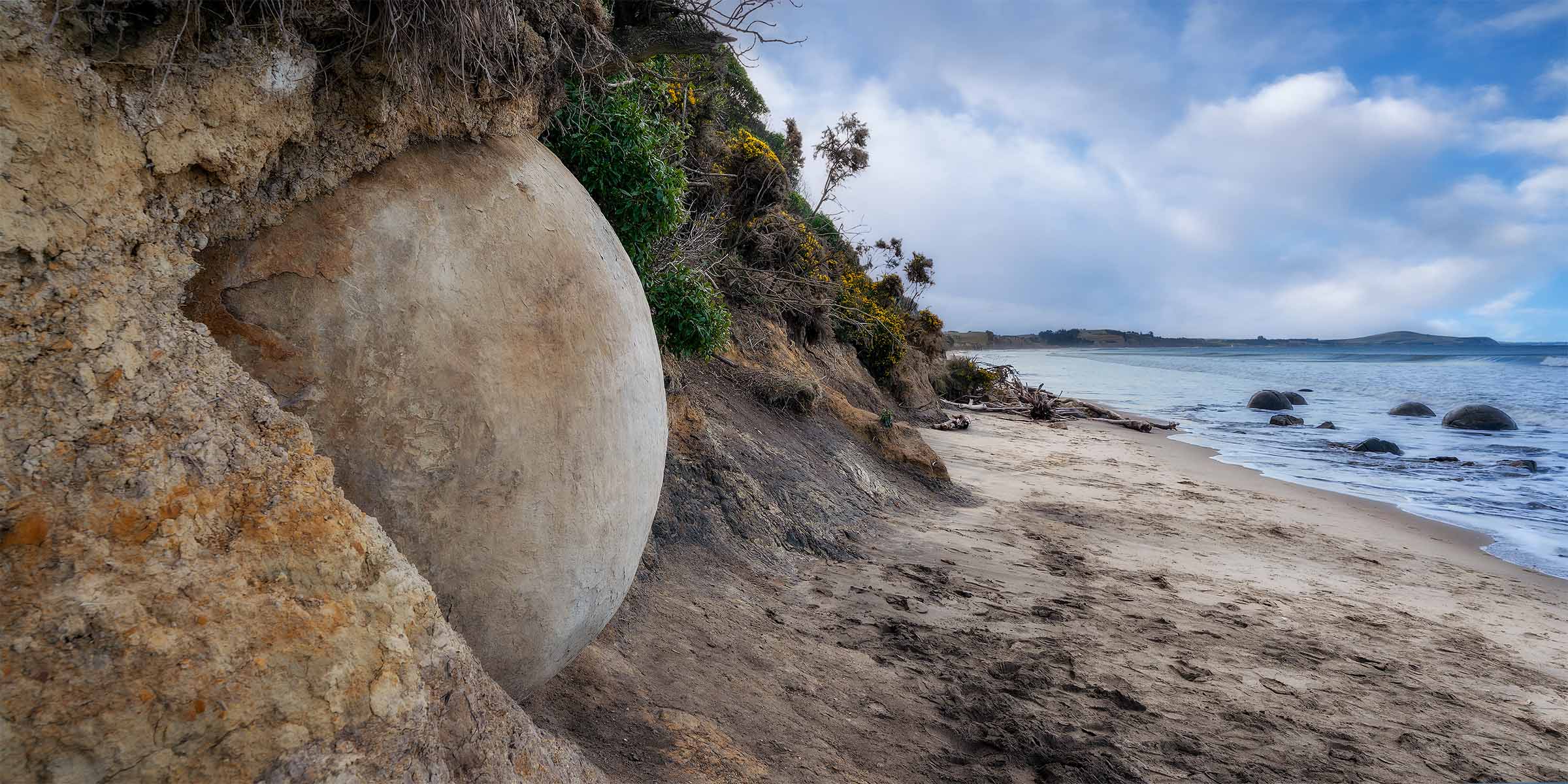
View Available Prints of The Watcher
The Study That Changed How I Think About a Photograph
Some years ago, a study by Katherine Gamble and colleagues at Georgetown set out to test something deceptively narrow. They asked whether simply viewing pictures of nature, as opposed to pictures of city streets, would measurably change a person's attention. Participants looked at one set of images or the other for a few minutes, and their attention was measured before and after with a standard cognitive test. The result was clear. Those who viewed nature images showed improved executive attention afterward, while those who viewed urban images did not. The effect appeared in older adults and in younger university students alike, which suggested it was not a quirk of one group but something broadly human.
What struck me about this study, and what has shaped how I think about my own work since, is its specificity. The improvement was not a vague good feeling. It was executive attention in particular, the mental faculty we lean on for planning, for resisting distraction, for holding a goal in mind while we work toward it. And it was produced not by a walk in the woods but by photographs, viewed indoors, in a matter of minutes.
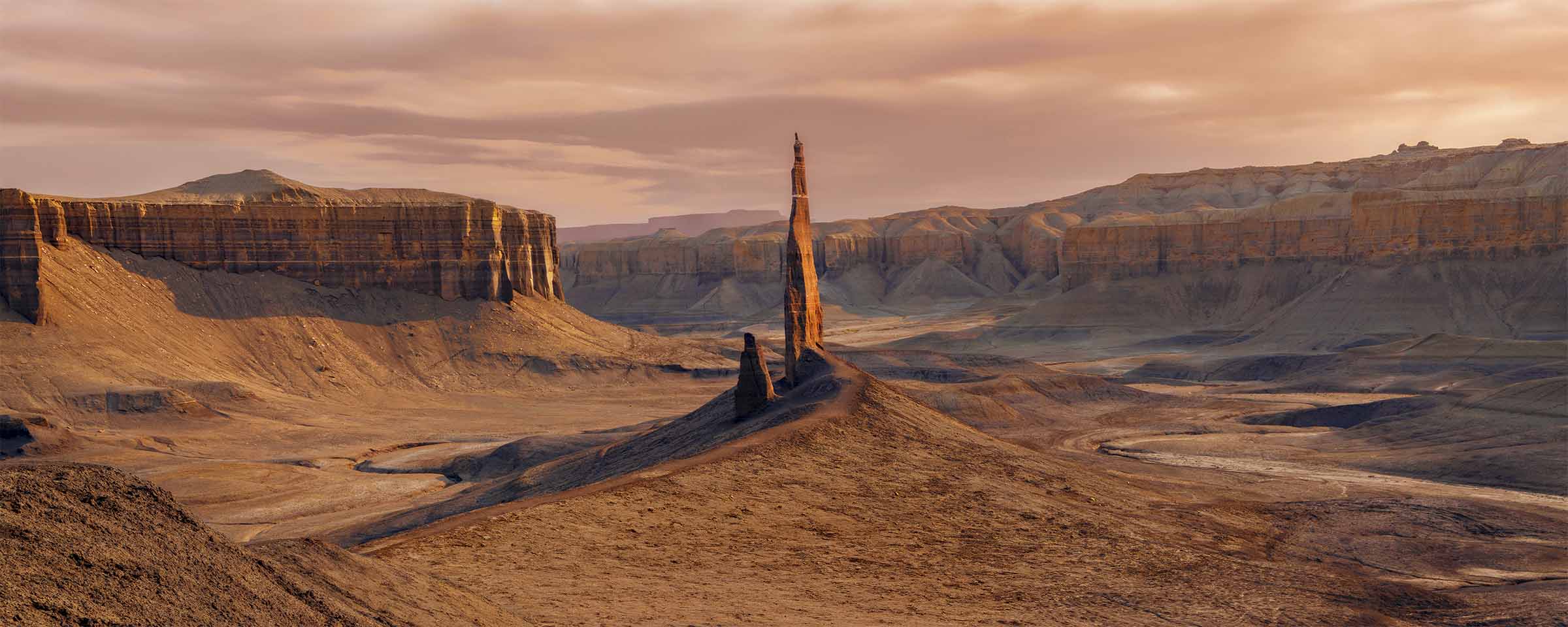
View Available Prints of The Spire
Restoration Is Not the Same as Rest
It is tempting to file this under relaxation, but that would miss the point. We tend to assume nature imagery works by calming us down, and it does soothe. But what the attention research describes is closer to sharpening than to sedation. The mind holds a limited reserve of directed, effortful attention, the kind that focus and self-control draw upon, and that reserve drains over a day of demands. Natural scenes engage attention in a softer, effortless way that lets the depleted, effortful kind recover. The outcome is not drowsiness. It is clarity. You return to the task more able, not less alert.
This is the distinction I find most useful, and the one most often missed. A restorative image is not a screensaver for the eyes. It is closer to a brief, recurring recovery for the part of the mind you most need when the work is hard. I have written elsewhere about that recovery as rest and restoration; here the emphasis falls on what comes after the recovery, which is focus.
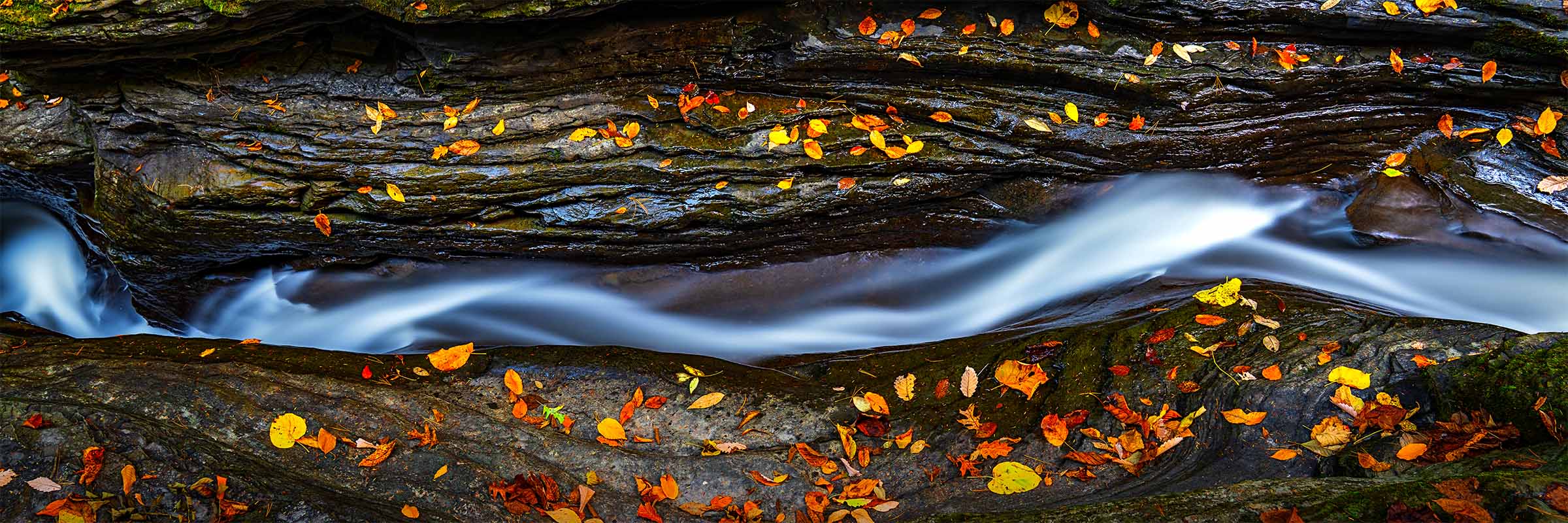
View Available Prints of Finding the Way
What Makes an Image Restorative
Not every pretty picture does this work, which is a point worth dwelling on. Decades ago, the psychologists Rachel and Stephen Kaplan proposed that environments which genuinely restore attention tend to share four qualities, and the same applies to images of them. The first is a sense of being away, a feeling of having stepped out of the mental setting of ordinary demands. The second is fascination, the soft, effortless pull of something intrinsically interesting, like moving water or shifting light, that holds the eye without taxing it. The third is extent, a sense that the scene is a coherent world large enough for the mind to wander into rather than a fragment glimpsed and exhausted. The fourth is compatibility, a fit between the scene and what the viewer is inclined to do, which is simply to look and be held.
These four are not abstractions to me. They are close to the criteria I am actually weighing, often without naming them, when I decide whether an image is worth making and offering. A photograph can be beautiful and still fail to restore, if it scatters attention rather than receiving it. The images I keep are the ones that do the quieter work.

View Available Prints of Sonoran Fire
Not Just Real Nature, But Pictures of It
The most consequential part of all this, for anyone choosing what to put on a wall, is that the effect does not require the real thing. The Gamble study used photographs, and later work has pointed in the same direction, finding cognitive benefit even from viewing nature on a screen or in print rather than through a window. This is the premise beneath everything I make. A landscape photograph, placed where you will actually see it, is not a stand-in for nature that falls short of the original. Within the specific domain of attention, it does real and measurable work of its own.
That reframes what such an image is for. It is less decoration than instrument, a quiet tool positioned where the mind needs help.
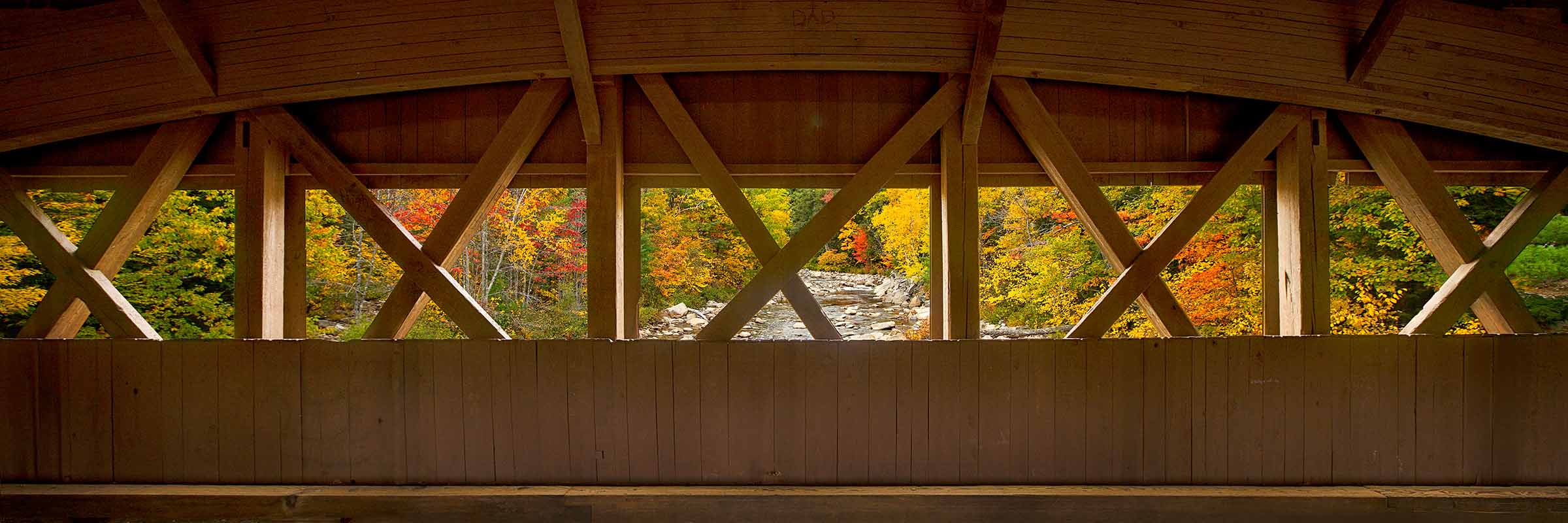
View Available Prints of Sheltered View
A Tool for the Thinking Mind
If that is true, then the most valuable place for a restorative image may not be the room where you relax, but the room where you think. The wall a desk faces. The space a difficult decision gets made in. The study, the office, the corner where the hard hours of the day are spent. These are the places where executive attention is most heavily drawn down, and where a single, expansive image given room to work can offer the eye somewhere to recover between demands.
There is a gentler implication too. Because the effect held for older adults, whose reserves of directed attention deplete more readily, this is not only a matter of working productivity. It is part of how a person can support a clear and steady mind across a life. That is a quiet thing to ask of a photograph, and the evidence suggests it can carry it.
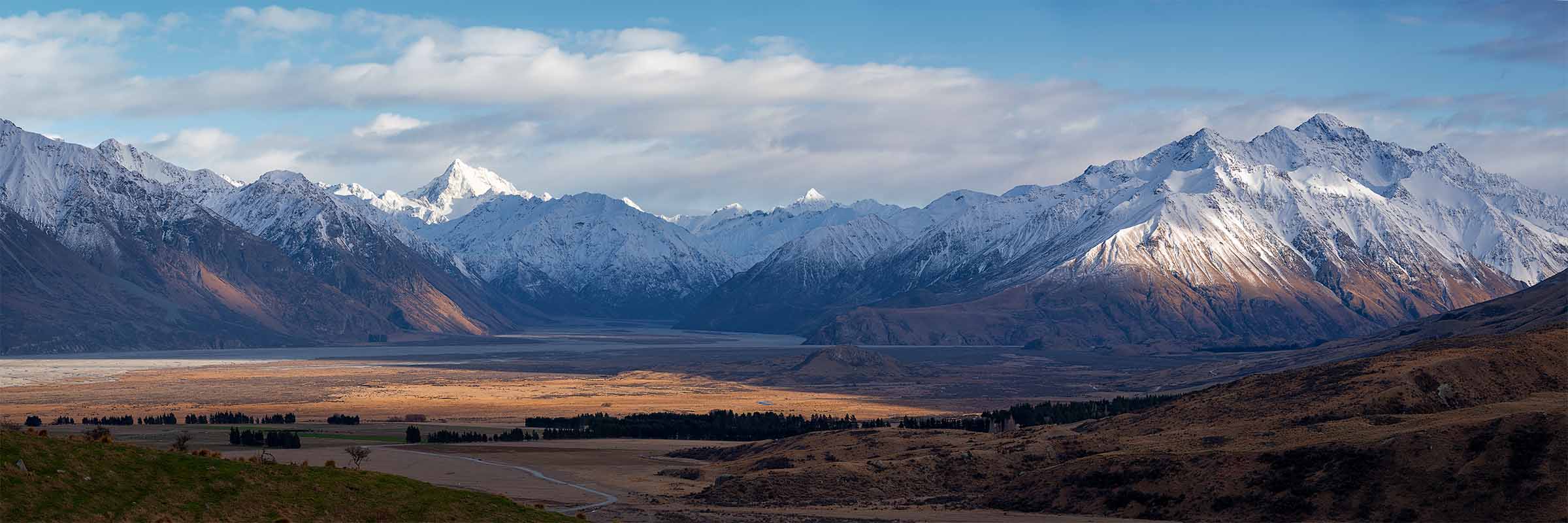
View Available Prints of Middle Earth
Living With Clarity
If your days ask a great deal of your focus, the images around you are not a neutral backdrop. They are either spending your attention or helping to restore it.
I invite you to spend time with the full collection and notice which image holds you without effort, the very sign of the kind of attention this whole idea rests on. And if you are thinking about a particular space, especially one where you work or decide, I am always glad to think it through with you. A complimentary digital mockup will let you see how a piece lives in your own room before you decide. There is no urgency in any of this. Something you intend to think beside for years is worth choosing slowly, and on purpose.
A clear mind is not only rested. It is focused. The right image, in the right place, quietly helps with both.
Featured Fine Art Prints for Nature Photography Enhances Cognitive Function
Steve Austin is a psychology professor, behavioral neuroscientist, and fine art landscape photographer. His limited edition landscape prints are available through Steve Austin Fine Art Photography at steveaustinphotography.com. Complimentary digital mockups are available for those who would like to visualize a piece within their own space.