The Quiet Power of a Green View
Why nearby nature, even seen through a window or hung on a wall, steadies the mind
There is a particular kind of relief that comes from looking up from your desk and finding something green. A tree moving slightly in the wind. A line of hills. Water catching the light. You may not name the feeling, but your body registers it: a small loosening, a quieting of whatever you were holding. The view asks nothing of you, and in asking nothing, it gives something back.
For most of human history this was simply the world outside the door. Today, for a great many people, it is not. We live and work indoors, surrounded by surfaces that hold our attention without ever releasing it. The question of how much that costs us, and what can be done about it, has become one of the quietly important questions in environmental psychology. The research that has gathered around it points to something deceptively simple. The mind settles when it can see nature, even a little of it, and even indirectly.

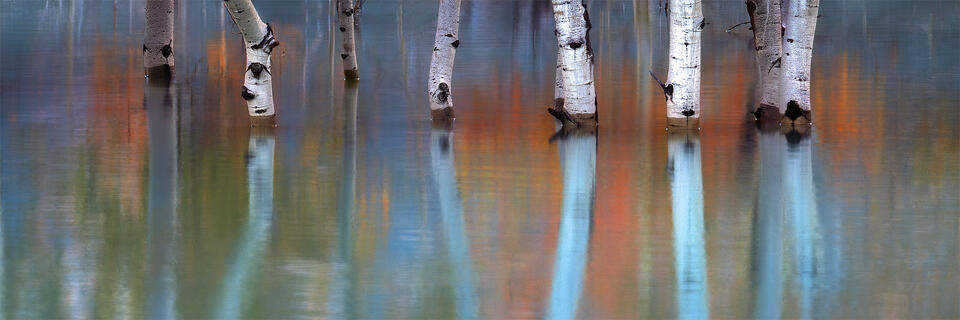
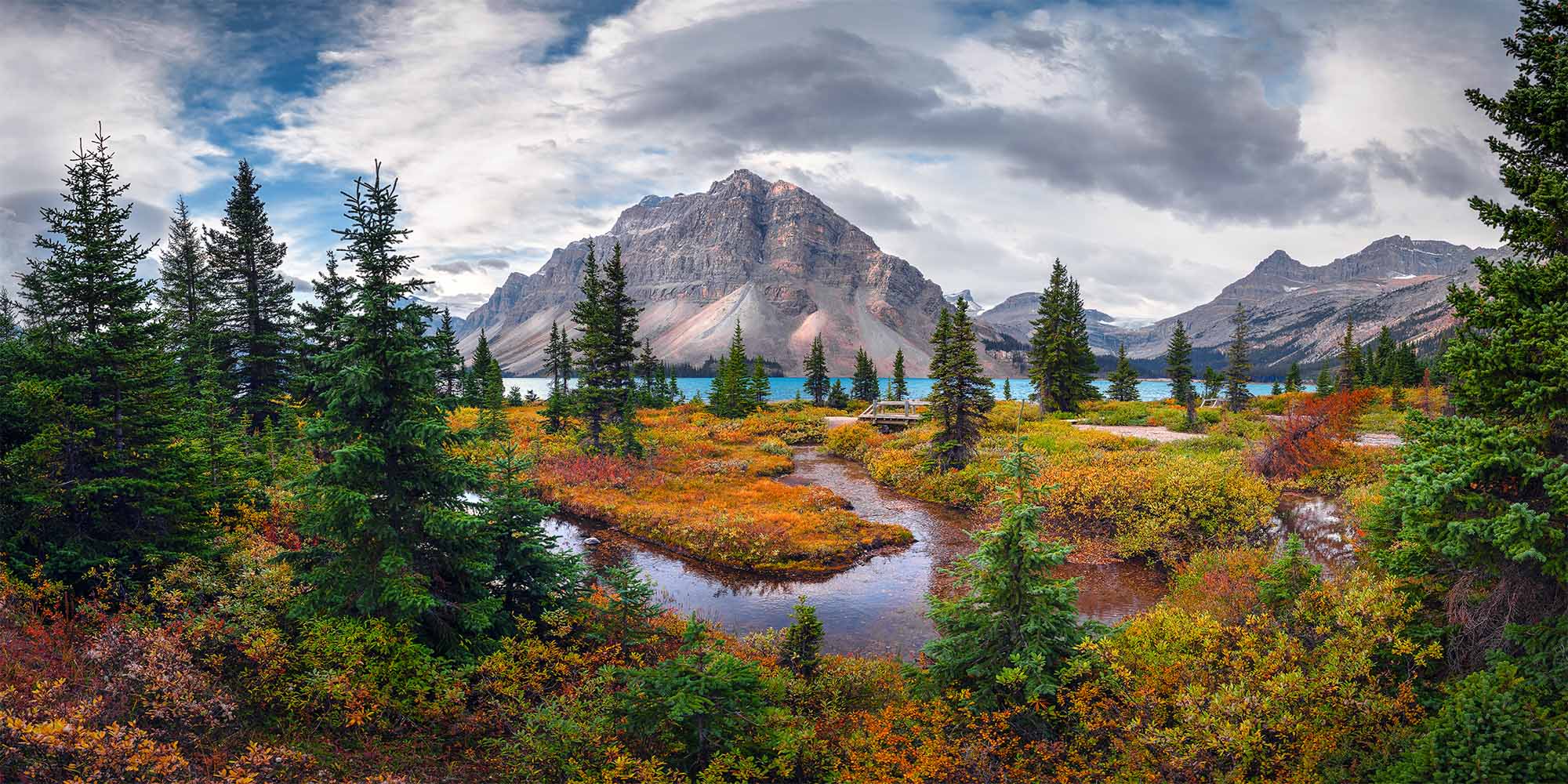
View Available Prints of Alpine Serenity
The View From the Window
One of the clearest demonstrations came from a large study led by Masashi Soga, whose team surveyed three thousand residents about their access to nearby nature and their mental health. The pattern was striking. People who had a green view from inside their homes, and those who spent more time in nearby green space, reported higher self-esteem, greater life satisfaction, and more subjective happiness, alongside lower levels of depression, anxiety, and loneliness. The effect did not depend on living beside a national park. A green view from an ordinary window was enough to register.
What makes this finding matter is its modesty. It does not require escape, travel, or wilderness. It suggests that the nature close at hand, the nature we can see from where we already sit, carries real psychological weight. The original study was published during the pandemic, when the question of indoor life felt suddenly urgent, but the finding itself has nothing to do with any particular moment. It describes something durable about how we are made.
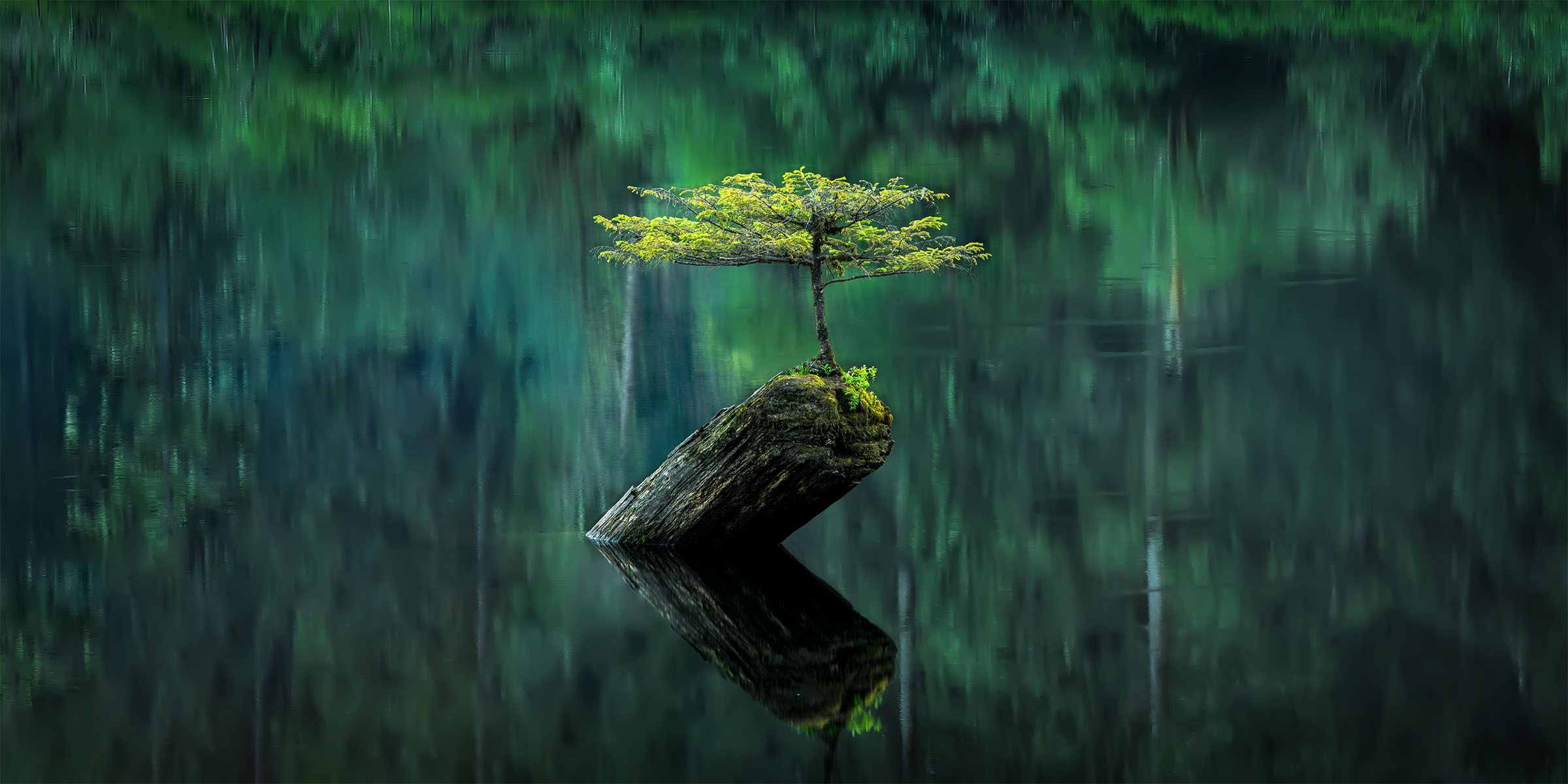
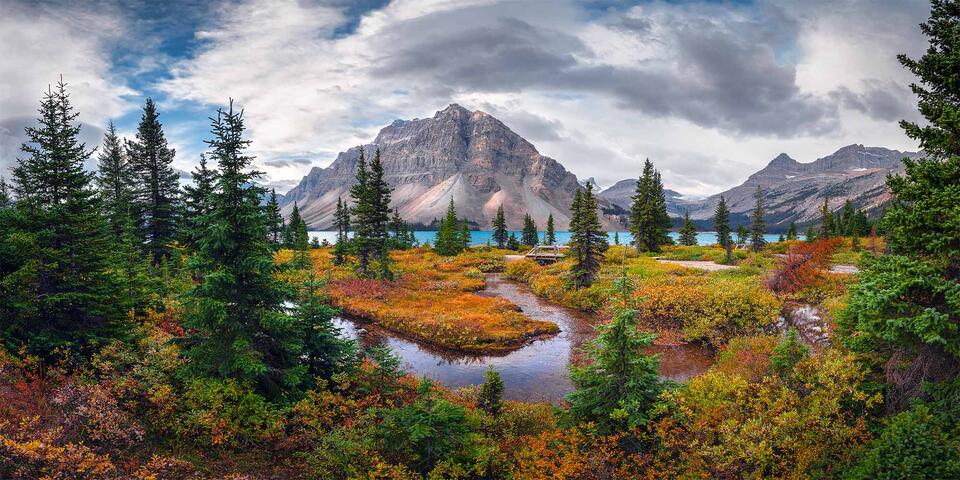
View Available Prints of Quiet Persistence
Why the Mind Settles When It Sees Nature
Why should a glimpse of green do this? Part of the answer lies in how attention works. The mind's capacity for focused, effortful attention is finite, and modern environments draw on it constantly. Screens, tasks, and busy interiors all demand the directed kind of attention that depletes over a day. Natural scenes engage a different mode. Rachel and Stephen Kaplan called it soft fascination: the gentle, effortless interest that a moving branch or a play of light invites, holding the eye without taxing it. While the mind rests in that softer attention, its depleted capacity for focus quietly recovers. I have written more about that process in a separate piece on attention restoration and landscape art.
There is a deeper layer as well. The biologist Edward O. Wilson argued that humans carry an innate affiliation with living things, a pull toward nature shaped over the long span of our evolution. By this account, a green view is not a pleasant extra. It is something the nervous system was built to expect, and its absence is felt as a kind of low, unnamed lack. I explore that evolutionary inheritance further in why we are wired to need the natural world.
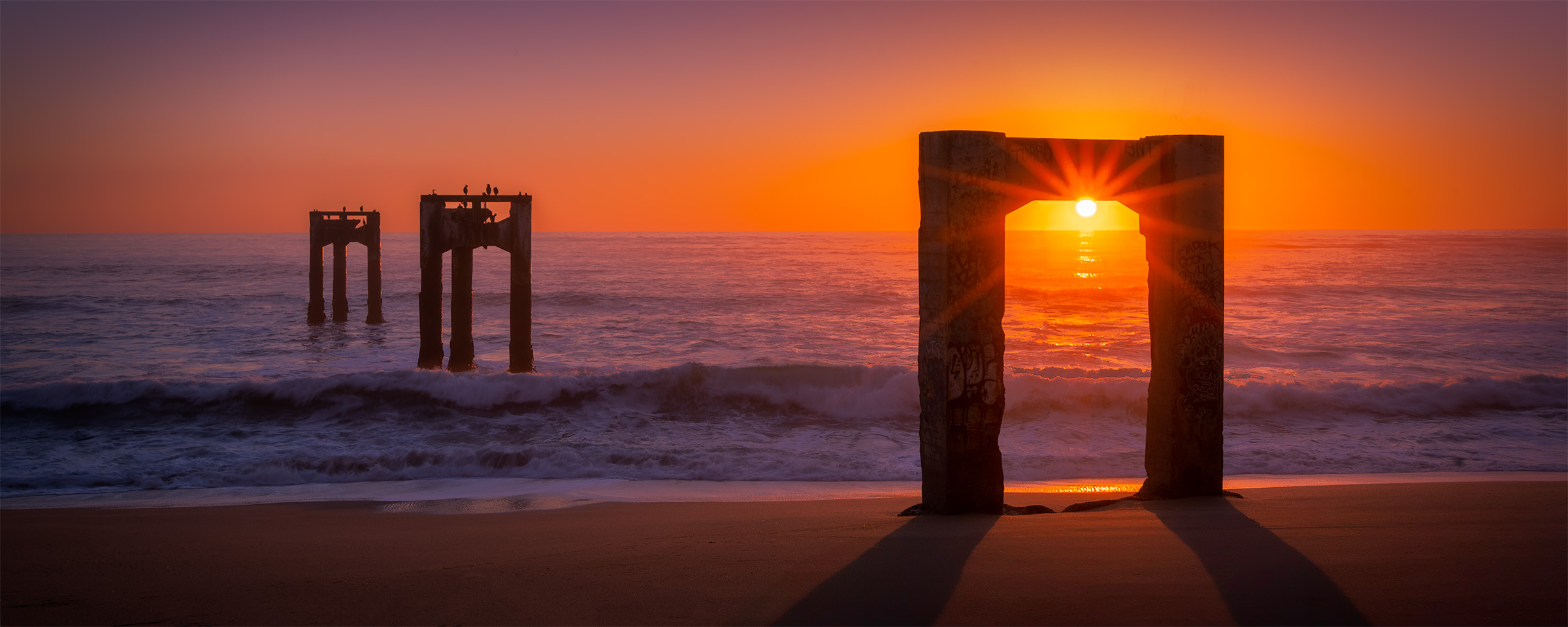
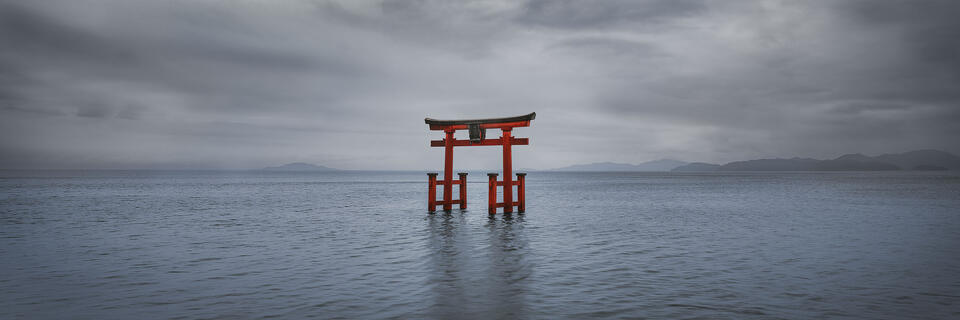
View Available Prints of Phantom Wharf
When There Is No Window
But not everyone has a green view to look out on. City apartments face other buildings. Offices sit in interior cores. Many of the rooms where we spend the most time offer nothing but wall. This is where a second line of research becomes interesting, because it suggests the nervous system is not especially particular about how the nature arrives.
The clearest early evidence came from Roger Ulrich, who found that surgical patients recovering in rooms with a view of trees did better than those facing a brick wall, with shorter hospital stays and less need for strong pain medication. The view itself was doing therapeutic work. Later research extended the idea further, finding that even representations of nature, photographs and images rather than the real thing seen through glass, can produce measurable calming effects. The window, it turns out, can be made.
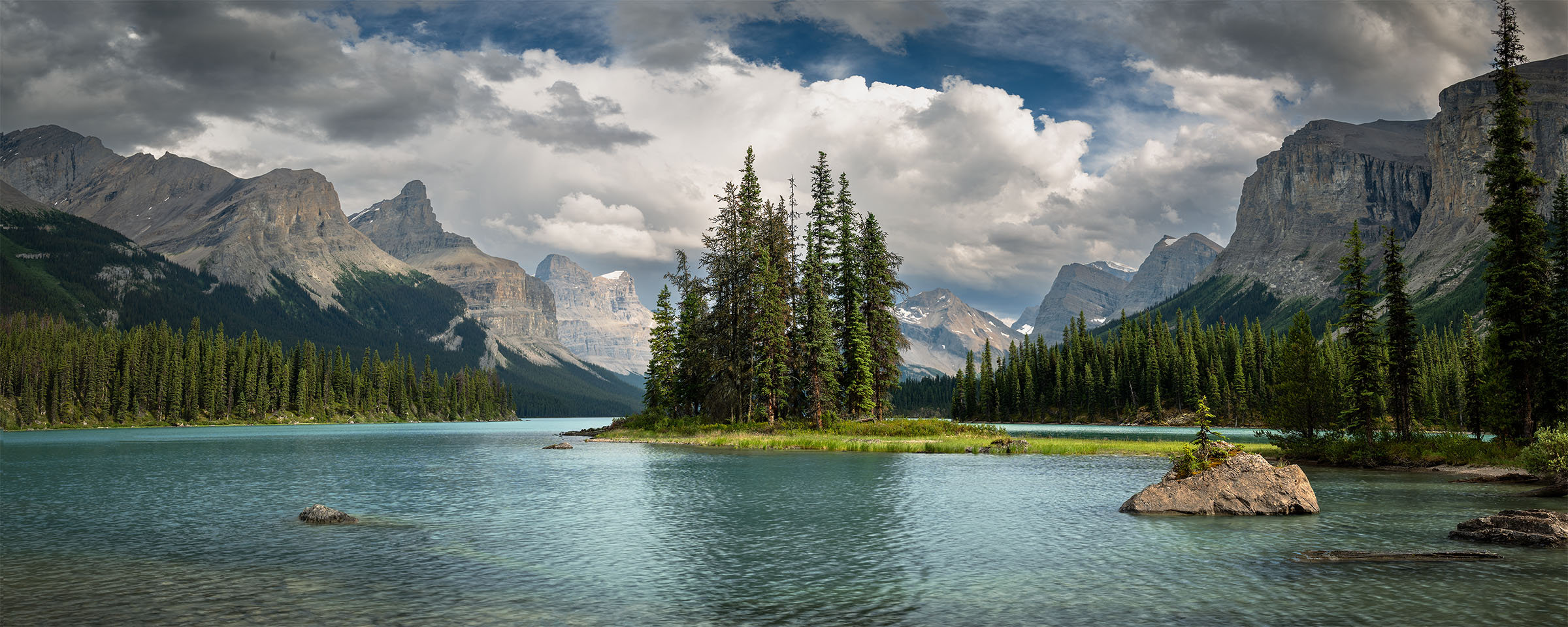
View Available Prints of Whispers of Solitude
A Window You Can Choose
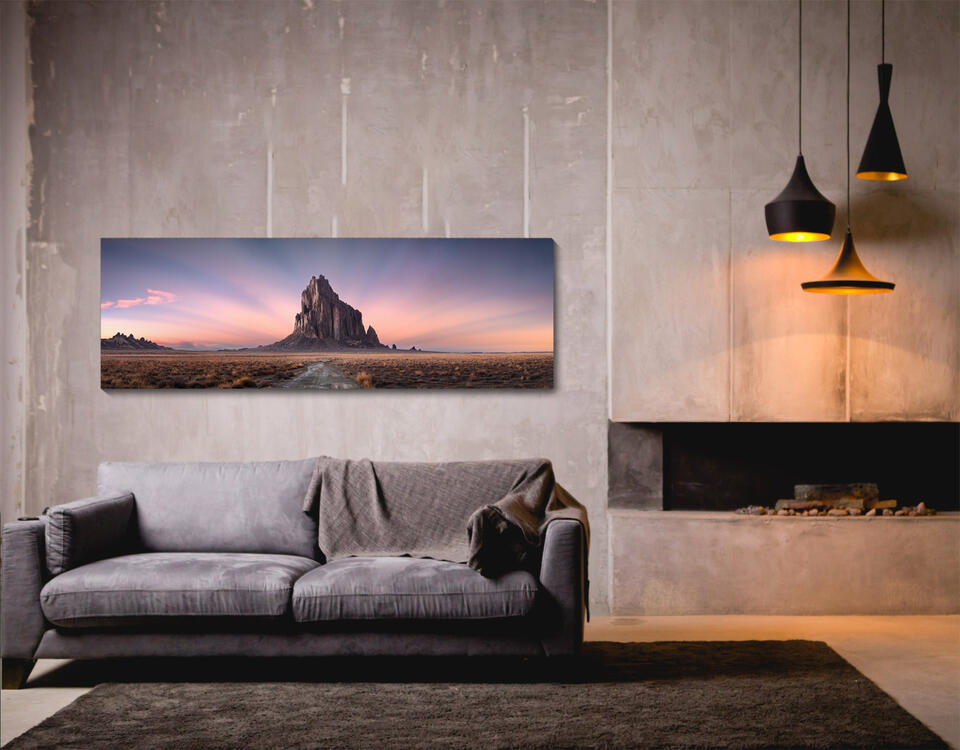
This is the quiet premise behind the way I make and think about landscape photographs. A large, restful image of the natural world, placed where you will see it daily, functions less like decoration and more like a window onto a place that steadies you. It offers the eye somewhere open to rest, the same soft fascination a real view provides, in a room that has no view to give.
The difference between a decorative picture and a restorative one is not subject matter alone. It is whether the image invites the slow, easeful attention that lets the mind recover, rather than the busy, effortful kind that wears it down. A calm, expansive composition, given enough scale to be entered rather than merely noticed, can carry much of what a green window offers.
Seen this way, choosing such an image is not about filling a wall. It is about deciding what your eyes will land on in the unguarded moments of a day, and what that landing will do to you.
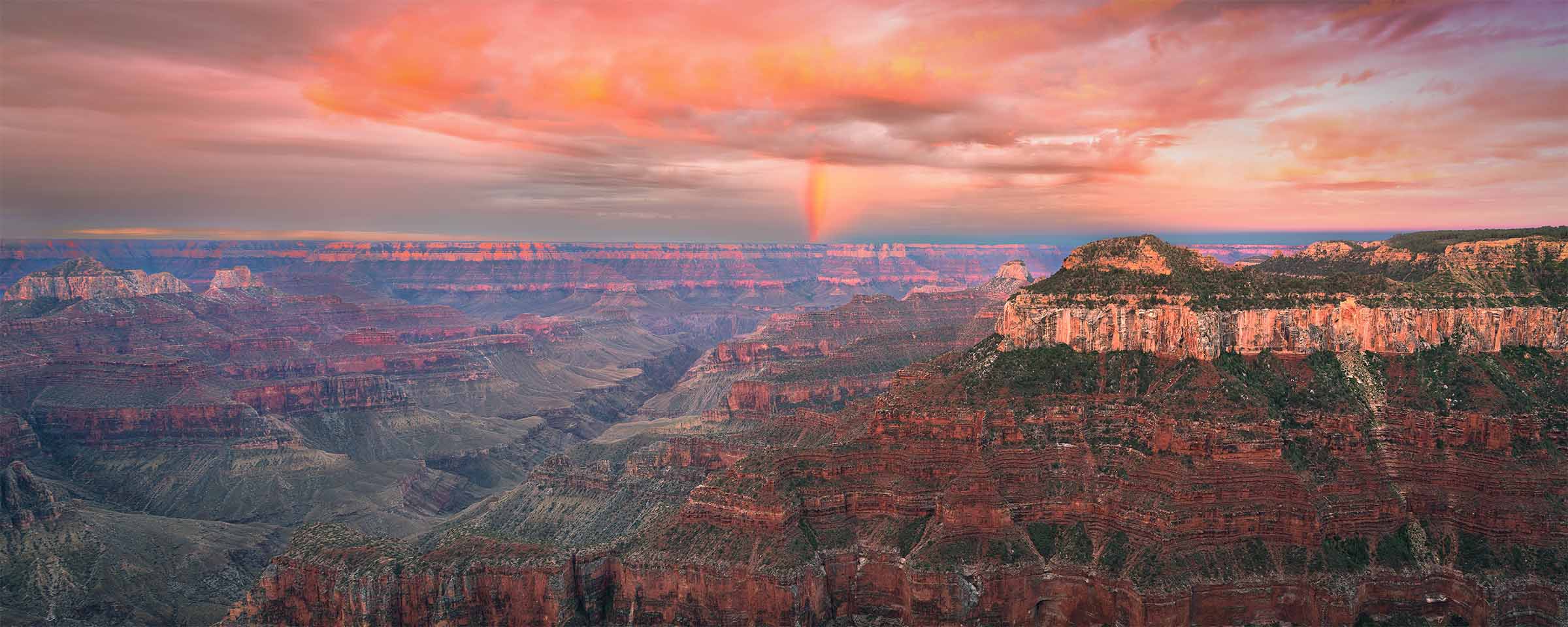
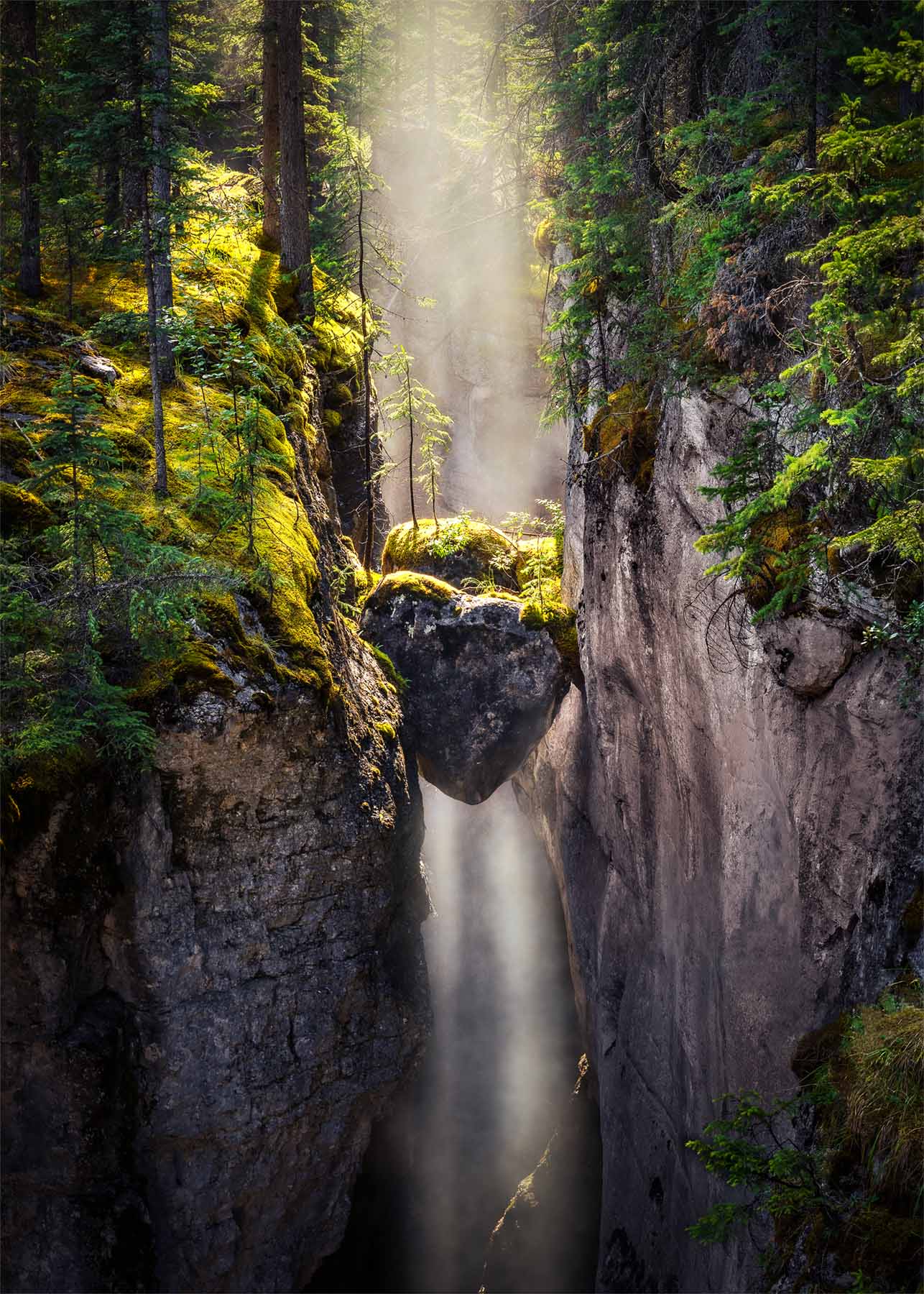
View Available Prints of Canyon Serenity
Living With a Green View
If the rooms where you live and work offer little in the way of nature, the walls are one of the few things within your control. A single, restful landscape, chosen with care and given room to breathe, can become the green view those rooms lack.
I invite you to spend time with the full collection and notice which image quiets you most. And if you are considering a particular room, a desk you sit at daily, or a wall you pass without thinking, I am always glad to think it through with you. A complimentary digital mockup will let you see how a piece lives in your own space before you decide. There is no urgency in any of this. A view you intend to live with for years is worth choosing slowly, and on purpose.
We are built to look up and find something green. When the world outside the window cannot offer it, the wall can.
Steve Austin is a psychology professor, behavioral neuroscientist, and fine art landscape photographer. His limited edition landscape prints are available through Steve Austin Fine Art Photography at steveaustinphotography.com. Complimentary digital mockups are available for those who would like to visualize a piece within their own space.