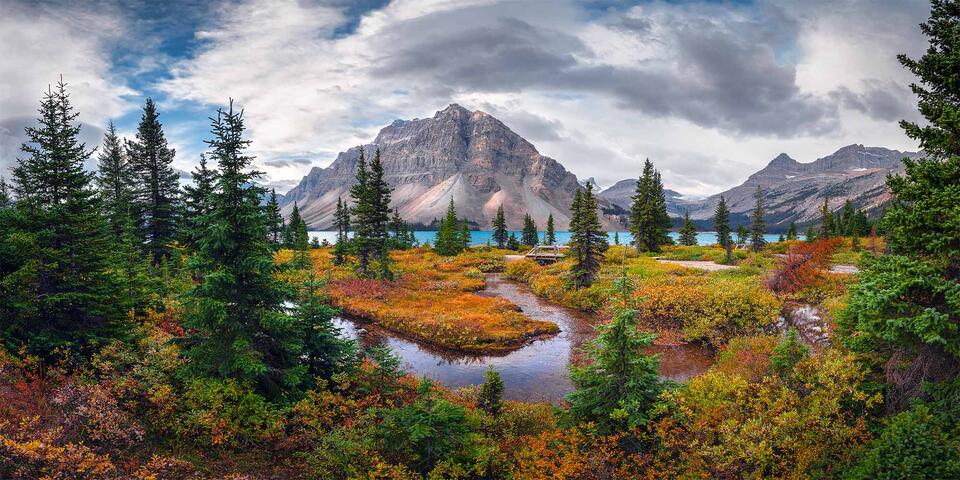
Passing in the Night: The Quiet Company of a City
In a companion essay, The Quiet Ones, I wrote about the calm of solitude, the way a still landscape steadies us by taking every demand away. I also said there that my work takes more than one form, and that now and then a city moves me too. This is me following that thread.
I only have a few cityscapes. They are a small part of what I make, and for a long time I was not sure why I kept returning to them, because on the surface a city is the opposite of everything my quieter work is about. But they hold a feeling I have come to understand, and it is not the feeling most people expect a city to give. It is not the thrill of energy, and it is not the loneliness people fear. It is something gentler. It is the calm of company, the quiet reassurance of being one lit window among many.
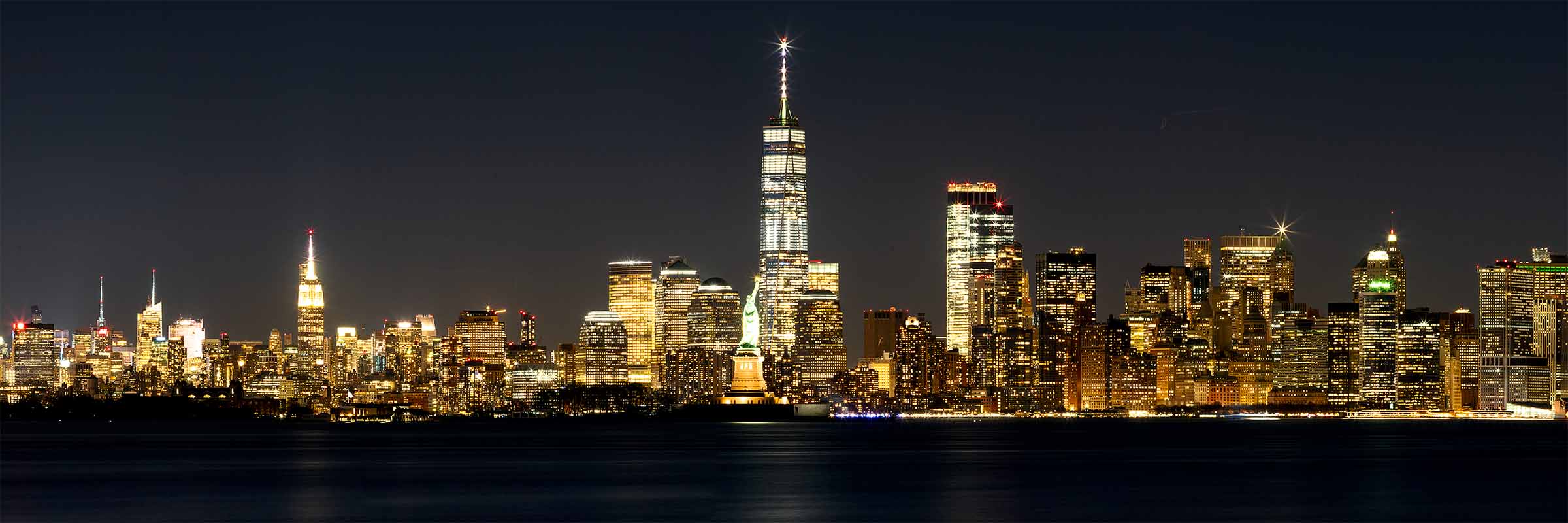
View Available Prints of Statue of Freedom
Company, not solitude
The nature images steady us by emptying the frame of demands. A city at night does almost the opposite, and yet it can steady us too. Instead of removing other people, it surrounds us with the gentle evidence of them. A lit skyline is hundreds of lives held in a single frame, each one going about its evening behind a small square of light, and somehow that is not agitating. It is reassuring.
We are social creatures, and the simple presence of others can settle us rather than unnerve us. There is a paradox at the center of city life that most of us have felt without naming it, that you can be entirely alone in a city and still not feel lonely, separate from everyone and yet unmistakably part of something. A photograph of a city at night holds that paradox still long enough to look at it.
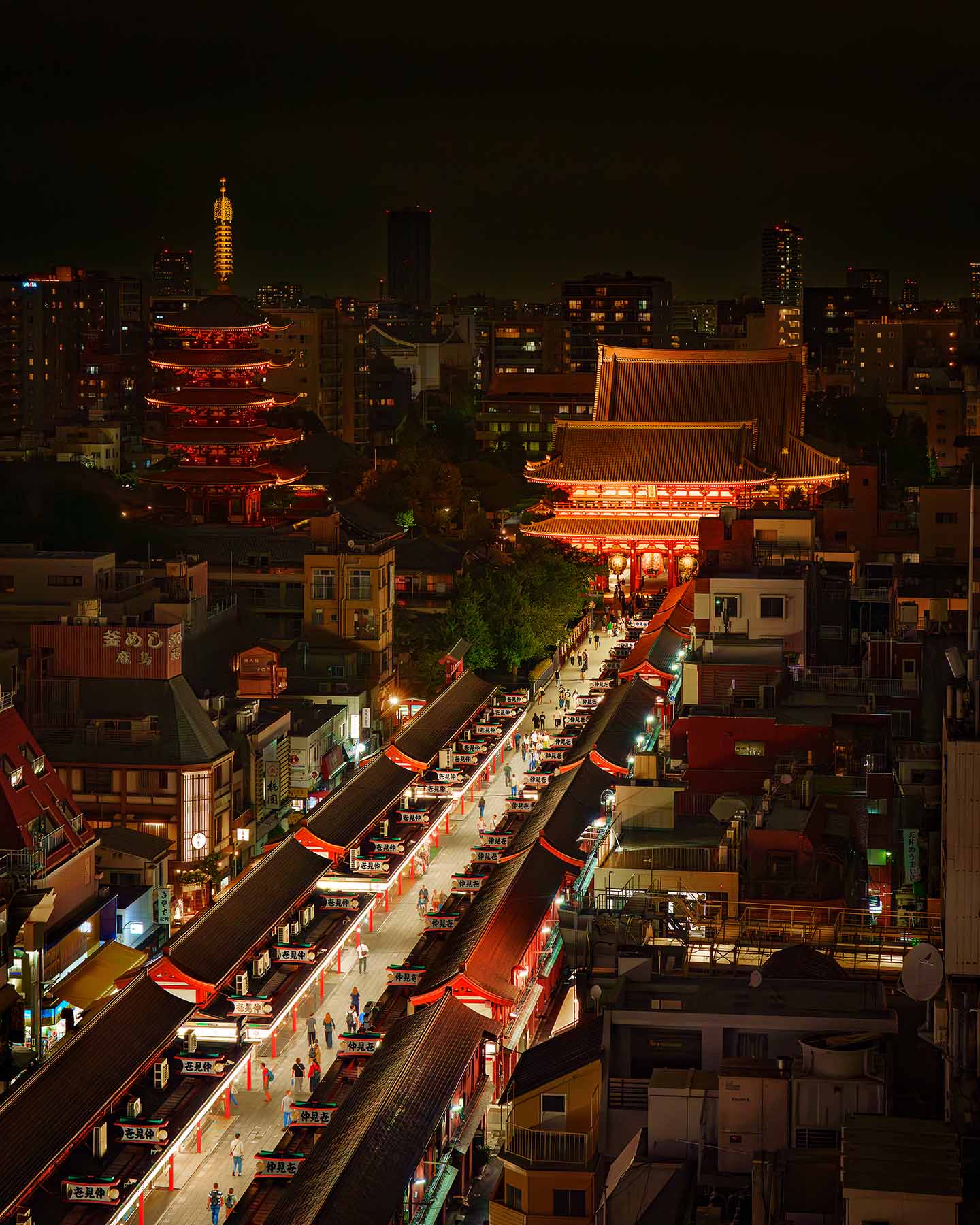
View Available Prints of Procession
Why night changes the city
By daylight, a city is friction. The signage, the hurry, the hard edges and competing signals all pull at your attention at once, the way the dramatic images in my other essay seize the eye and refuse to let go. Night edits almost all of it away. It reduces the city to soft points of light and quiet geometry, and the hard, demanding pull of the daytime street becomes something the eye can finally rest in. The same gentle, effortless attention that a misty forest invites, a city at night can invite as well.
And then there are the windows. After dark, a lit window becomes a sign of life. Someone is awake. Someone is home. Someone is reading, or cooking, or sitting quietly as you are. A darkened building is just architecture, but a building glowing from within is a kind of proof that the community around you is breathing, even at the hour when you feel most alone.

View Available Prints of After Dusk
The calm of familiarity
We are also steadied by what we recognize. A known skyline, a familiar bridge, a place you have stood before. Recognition is a quiet signal of safety, a way the mind tells itself that it is not lost, that it has been here and will be again.
A city can become a kind of home this way, even one you have only visited once, because of the landmarks we all hold in common. There is a particular ease in the flash of I know this place, and a familiar city on your wall can offer that small recognition every single day, the way a favorite song offers it the moment the first note plays.
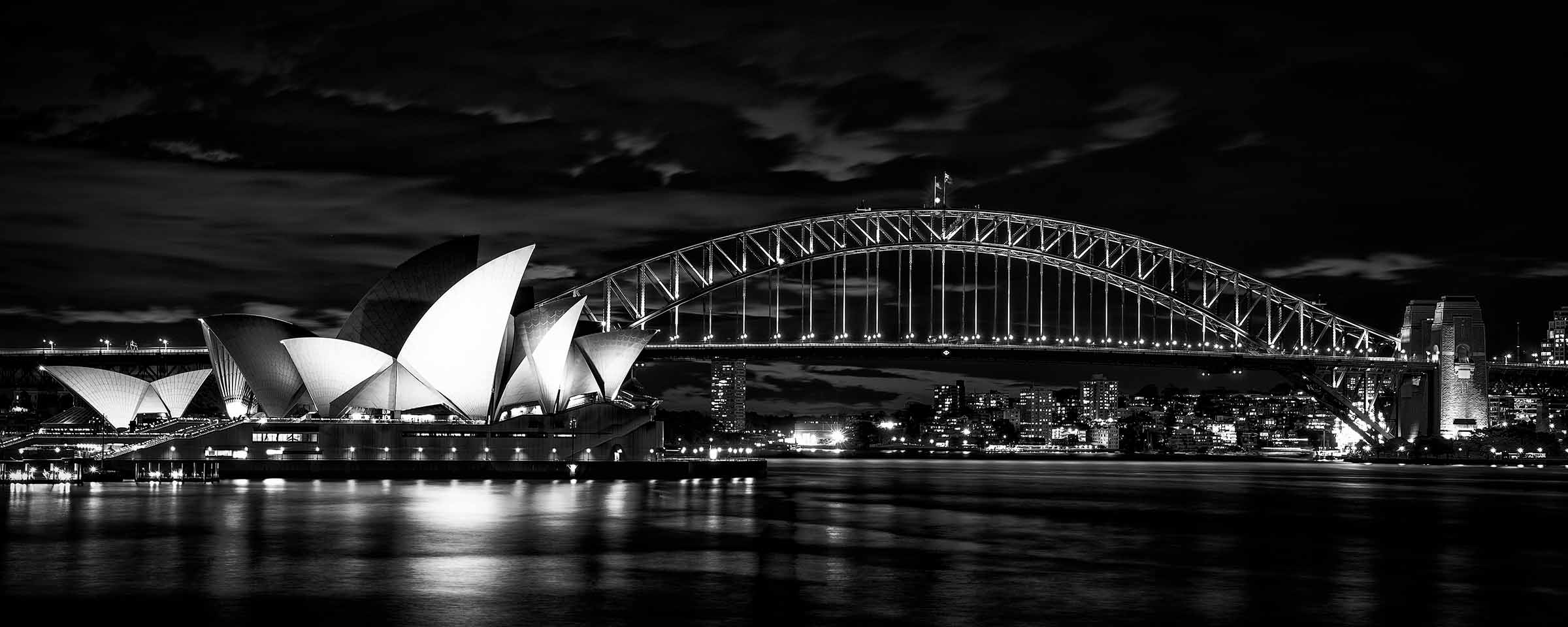
View Available Prints of Nightfall at the Opera
Passing by in the night
There is one feeling I keep returning to most of all, and it deserves its own words. It is the sense of a great community, all connected, yet only passing one another in the night.
Think of how many lives a city holds at any given hour, all of them sharing the same streets, the same lights, the same late and quiet time, and almost none of them ever speaking. We tend to call that loneliness. But at its best it is something tenderer than that. It is a kind of companionship that asks nothing of you, an intimacy made entirely of presence. You do not have to know the people behind the windows to feel accompanied by them. You only have to know they are there.
That is the gift these images try to hold. Not the city as a machine, but the city as a vast, quiet company of strangers, each one a small light, all of them somehow keeping each other company in the dark.
What I am offering
So I think of these the way I think of all my work, not as scenery and not as decoration, but as designed environments meant to do something for the person living with them. A city image simply offers a different gift than a forest does. Where the quiet landscape offers the rest of solitude, the city at night offers the reassurance of belonging.
It is a reminder, hanging on a wall in your own quiet room, that you are one light among many, and that you are part of something larger than the four walls around you.
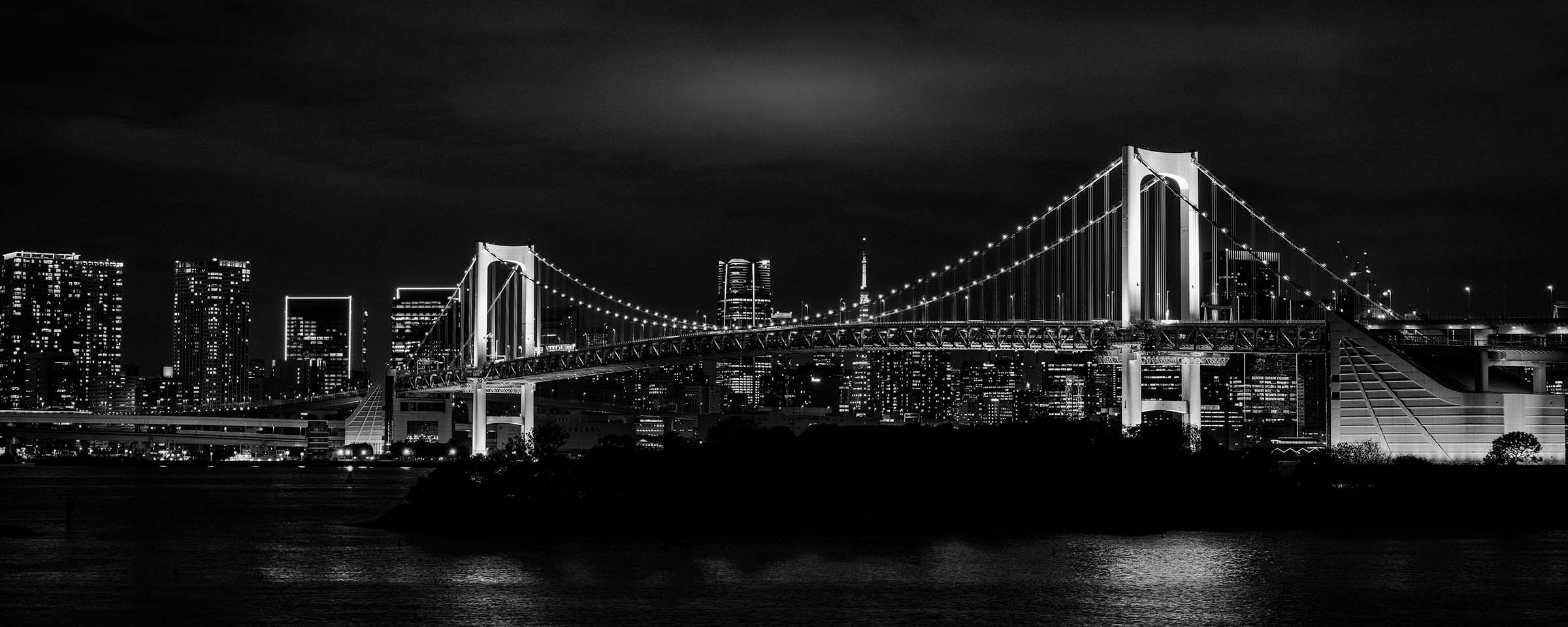
View Available Prints of Nocturne
Find the company your space is missing
If something here resonated with you, follow it. Think of the room in your life that feels most isolated or still, the entryway you pass through alone, the workspace where the hours run long, and imagine what a quiet sense of connection on that wall might offer you each day.
You are welcome to explore the collection of cityscapes and find the piece that brings that feeling into your space. Each image is offered as a limited edition, archival print, made to be lived with for many years. And if you would like help choosing the right photograph for a particular room, I welcome that conversation.
Connection is worth sharing. If this piece offered you any of it, consider passing it along to someone who could use the company.
Questions I am often asked
Can a city image really be calming, or is nature the only restorative subject?
Nature and the city calm us in different ways. A landscape quiets the mind by removing demands, emptying the frame of the things that would otherwise pull at your attention, while a city at night steadies us through familiarity and the comforting sense of others nearby. The formal research on restoration has focused mostly on nature, but the qualities it points to, a reduction in demand, a feeling of safety, the kind of gentle attention a scene invites rather than compels, are not unique to forests and shorelines. We are also social creatures, and the quiet evidence of other lives can settle the nervous system rather than agitate it. Both are real forms of peace. They simply answer different needs.
Why are your cityscapes almost always photographed at night?
Night is when a city becomes restful. Daylight brings the friction, the hurry, and the visual noise, the signage and hard edges and competing signals all pulling at once, but darkness reduces everything to soft light and quiet geometry. What remains is something the eye can rest in rather than work to sort, the same effortless attention a misty forest invites. And then there are the windows, which after dark stop being architecture and become gentle signs of life, proof that the community around you is awake and present. The city I want to share usually appears only after dark.
What feeling should I look for in an urban piece for my home?
Look for the feeling of company rather than energy. The right city image does not raise your pulse; it offers a quiet reassurance, a sense of being connected to something larger even when you are alone in the room. A useful test is simply to notice your own response as you look: if a piece leaves you feeling accompanied and settled rather than stimulated or hurried, it will serve a restful space well. Images that read as busy or adrenaline-driven can be striking, but they ask something of you rather than giving something back. Trust the one that makes the room feel calmer to be in.
Where in a home or workspace does a cityscape do the most good?
In the rooms that can feel isolated. An entryway you pass through alone, a home office, a bedroom, any space where you spend long and quiet hours by yourself. A city at night placed there offers a subtle, daily reminder of connection, which is exactly what those rooms tend to lack, and the effect is strongest on a wall you actually face and return to rather than one you only pass. Busy, social rooms need this less, since the company is already present. The quieter and more solitary the space, the more a piece like this gives back.
What do limited edition and archival mean for a piece I intend to keep?
A limited edition means only a set number of a given image will ever exist, and once that number is filled the edition closes permanently, so the piece on your wall stays genuinely rare rather than one of countless copies. Archival refers to materials and processes chosen to hold their color and structural integrity for generations, often carried by a guarantee against fading under normal display conditions. The two work together. A piece you intend to return to every day should be made to outlast the years you spend with it, and to remain as true in its color and presence on the last day as on the first. Rarity protects what the image means to you; archival quality protects the image itself.