The Language of Light: How Natural Light Shapes the Emotional Life of a Landscape
There is a moment that every serious landscape photographer knows and chases. The light shifts, and everything changes. Not just the brightness or the color temperature, but the entire emotional character of the scene in front of you. A valley that looked flat and unremarkable ten minutes ago is suddenly alive with warmth and depth. A mountain range that seemed distant and cold is now intimate and luminous. The landscape has not moved. The light has.
Light is not a technical variable in landscape photography. It is the primary emotional language of the image.
As a photographer who approaches this work through the lens of psychology, I have come to understand that the light in a landscape photograph does something to the viewer that no other compositional element can replicate. It communicates directly with the emotional system, bypassing intellectual analysis and producing an immediate felt response. Joy. Awe. Stillness. Urgency. These are not interpretations the viewer arrives at after studying an image. They are responses the light produces before the conscious mind has formed a single thought.
Understanding this changes how you see the images you live with, and it changes how you choose them.
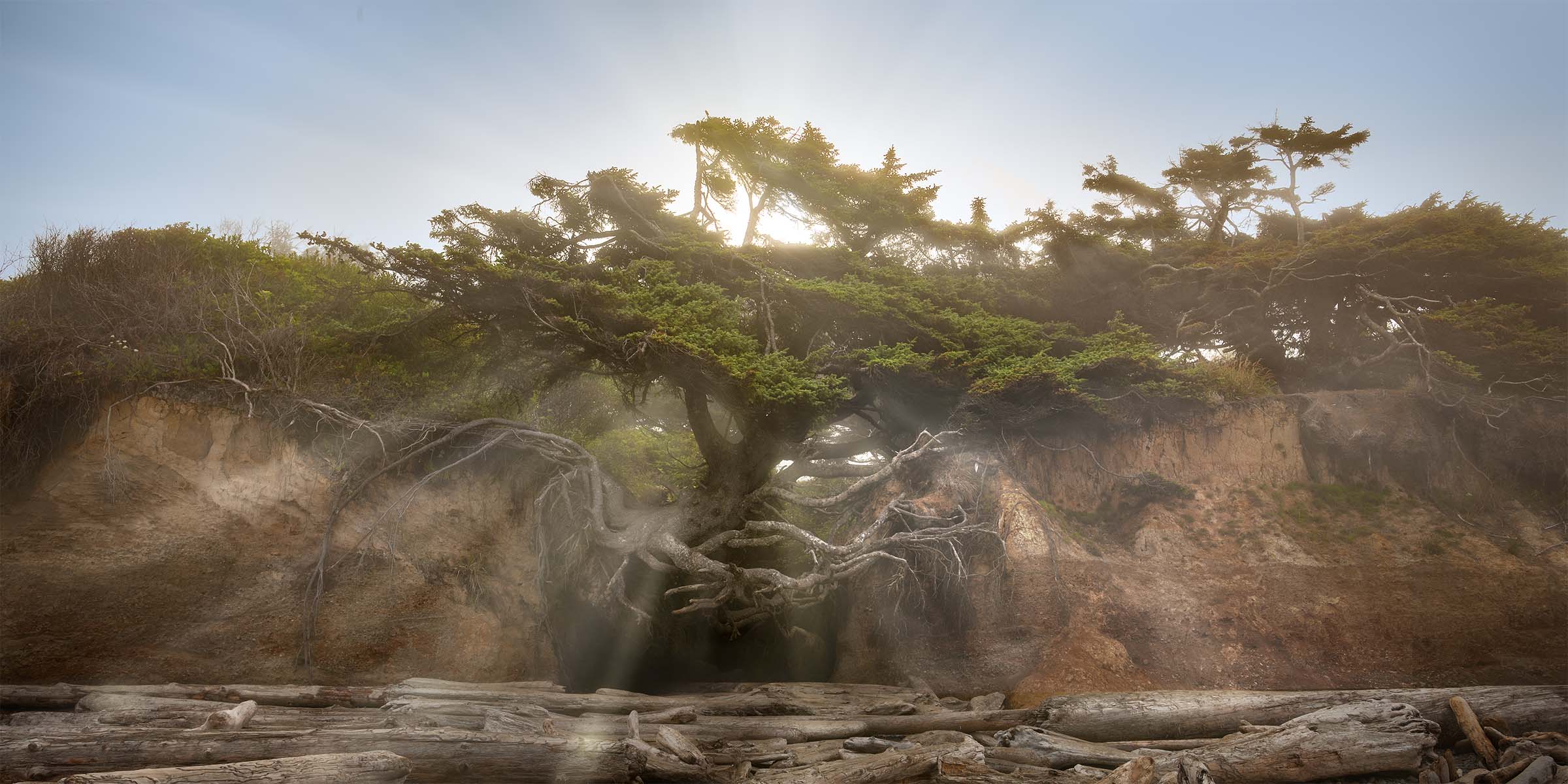
View Available Prints of Holding on
Why Light Speaks Directly to the Brain
The human visual system did not evolve in galleries or offices. It evolved outdoors, in landscapes where the quality of light carried critical information. The angle of the sun told our ancestors what time it was and how much productive time remained. The color temperature of the horizon signaled the transition between safety and danger, activity and rest. The warmth of golden hour light was associated with the close of a successful day. The cool blue of pre-dawn signaled the need for alertness and readiness.
These associations are not learned. They are wired. Which is why warm, low-angle light produces a sense of emotional opening and expansiveness even when you are looking at a photograph on a wall in a climate-controlled room with no practical relationship to the time of day. Your nervous system responds to the light before your conscious mind engages with the image at all.
This is the foundation of what I think of as the language of light. Different qualities of natural light produce distinct and predictable psychological responses, and a photographer who understands both the craft and the underlying psychology can use light intentionally to shape how an image functions in a space over time.
View Available Prints of Ephemeral Blaze
Light as Drama: When the Sky Becomes the Subject
Some light events are so rare and so visually extraordinary that they stop everything. The landscape becomes secondary. The light itself is what you are witnessing, and the emotion it produces is pure awe.
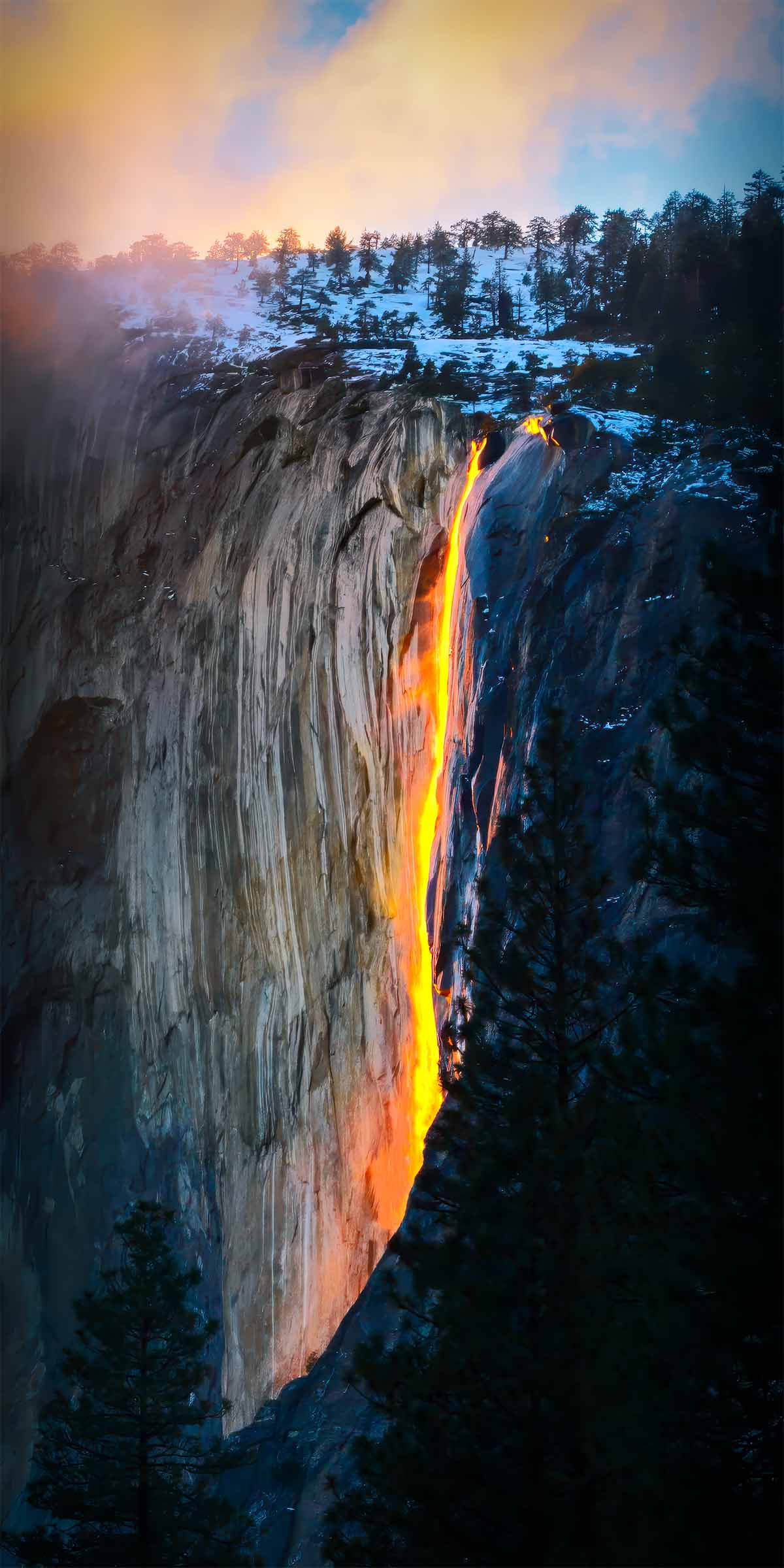
Ephemeral Blaze documents one of the most remarkable light phenomena in the natural world. Each February, for a brief window of just a few minutes, the setting sun aligns precisely with Yosemite Valley in a way that causes Horsetail Fall to illuminate from within, glowing molten orange and gold against the dark granite face of El Capitan. The waterfall appears to be on fire. It looks less like water than like lava pouring from the earth itself.
Standing there watching it happen, excitement filled my entire being. I felt like I was witnessing a once in a lifetime event, because in a very real sense I was. These conditions will never align in exactly the same way again. The specific quality of that light, its temperature, its angle, the particular state of the water and the rock, existed for a few minutes on one evening and then was gone. Capturing it was not simply a photographic act. It was an act of preservation.
For a few brief minutes each February, the setting sun transforms Horsetail Fall into what appears to be a river of fire. The light here is not reflected from the sky but channeled through the precise geometry of the valley, turning water into flame for the duration of a single exhale.

View Available Prints of Heaven's Door
Heaven's Door was made on a coastline where the sky had decided to show everything it had. The sunset that evening moved through a complete emotional spectrum in a single frame, from deep orange burning at the horizon through transition zones of pink and rose into deep purple above, with the ocean holding the color in constant movement below. The old wooden jetty curved out into it all, leading the eye toward the center of the composition where sky and water met in a blaze of color.
I described this sky to myself as what it might look like to enter heaven's pearly gates, a cacophony of color so complete and generous that it asked nothing of you except to receive it. This is what warm, saturated, expansive light does psychologically. It opens the emotional system outward. It produces a felt sense of abundance and possibility that is almost impossible to manufacture through any other means.
The sky that evening did not build gradually. It arrived all at once, a complete and generous display of color that stretched from orange at the horizon through every register of rose and violet above. The jetty leads into the heart of it, offering a path toward something the image never quite reveals.

View Available Prints of Emergence
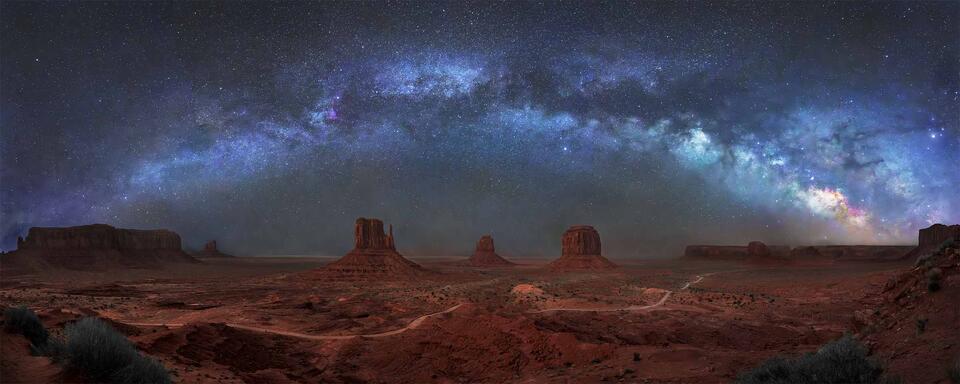
Emergence was made at Monument Valley before sunrise, in the kind of darkness that makes you question whether the light will come at all. Then the sun broke through a crack in the clouds, creating a V-shaped corridor of orange and gold that pulled every element of the composition toward the center of the frame. The iconic buttes, which I had seen photographed hundreds of times, suddenly felt like I was seeing them for the first time. The light had recomposed the landscape entirely, framing the valley with a precision no human photographer could have planned.
I was awestruck by how the composition of light framed the scene so exquisitely. This is what dramatic sunrise light does at its finest. It takes a landscape you think you know and reveals it as something you have never seen before. The familiar becomes extraordinary. The ordinary becomes sacred.
The sun broke through the clouds at the precise moment the valley needed it, creating a V-shaped corridor of light that drew everything in the frame toward a single luminous center. The buttes that have been photographed thousands of times felt, in that light, completely new.
View Available Prints of Passage
Light as Structure: When Architecture Focuses the Sky
Not all powerful light fills the entire frame. Some of the most psychologically compelling light in landscape photography is light that has been shaped, filtered, or focused by the physical world into something concentrated and directional.
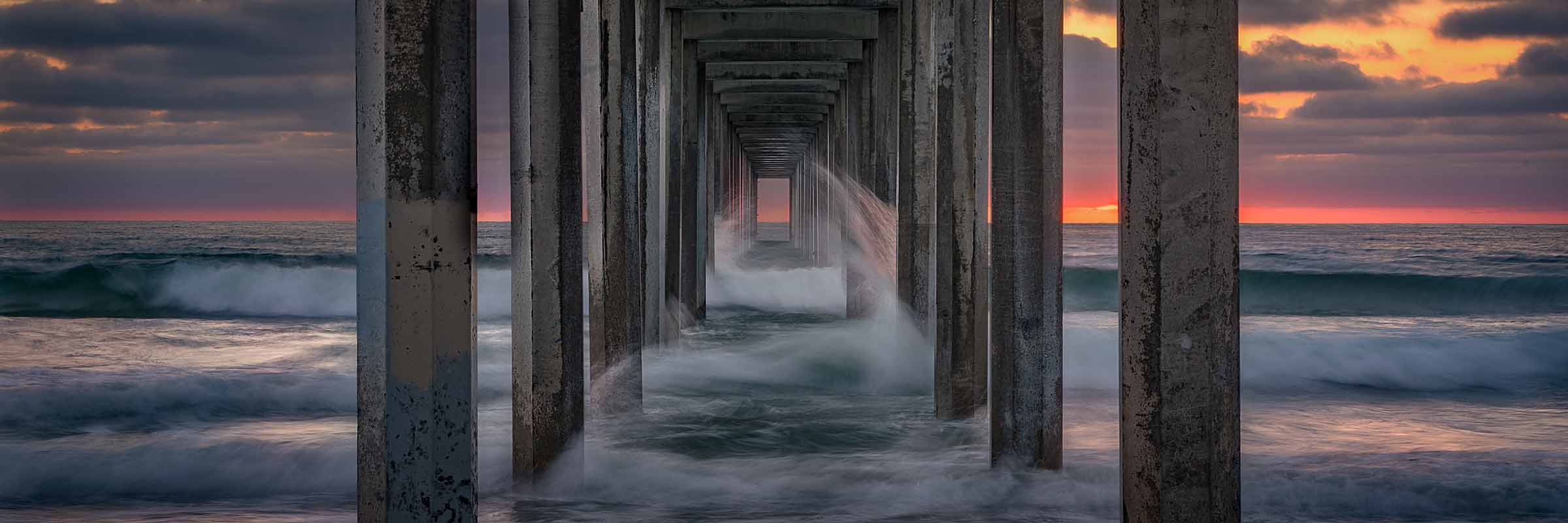
Passage was made beneath the Scripps Pier in La Jolla at sunset, lying in the water as waves surged around the concrete pilings. The geometric repetition of the columns created a natural tunnel that compressed the horizon into a single vanishing point, and through that point the last light of the day burned in bands of red and orange while the sky above held onto its deeper purples and grays. The waves moved through the frame in long exposures, softening the water into something luminous and otherworldly.
What makes this image psychologically distinct from the three dramatic sky images is how the light operates. Rather than expanding outward to fill the viewer's field of awareness, it draws inward, pulling attention through the architectural frame toward a single point of warmth and color at the center. This focused, directional quality of light produces a different kind of awe than the expansive sky images. It feels more contemplative, more intimate, more like a threshold than a panorama. You are not standing before something vast. You are being invited through something.
The pier does not simply frame the sunset. It focuses it, compressing the entire horizon into a single luminous point at the end of a geometric tunnel. Standing in the water as waves moved through the pilings, the light felt less like something to observe and more like somewhere to go.
View Available Prints of A Pause before Darkness
Light as Quiet: When Darkness Becomes a Presence
The most psychologically complex light in landscape photography is often the least dramatic. It is the light that is almost gone, or not yet fully arrived, the transitional quality of illumination that exists in the space between day and night when the world is neither one thing nor the other.
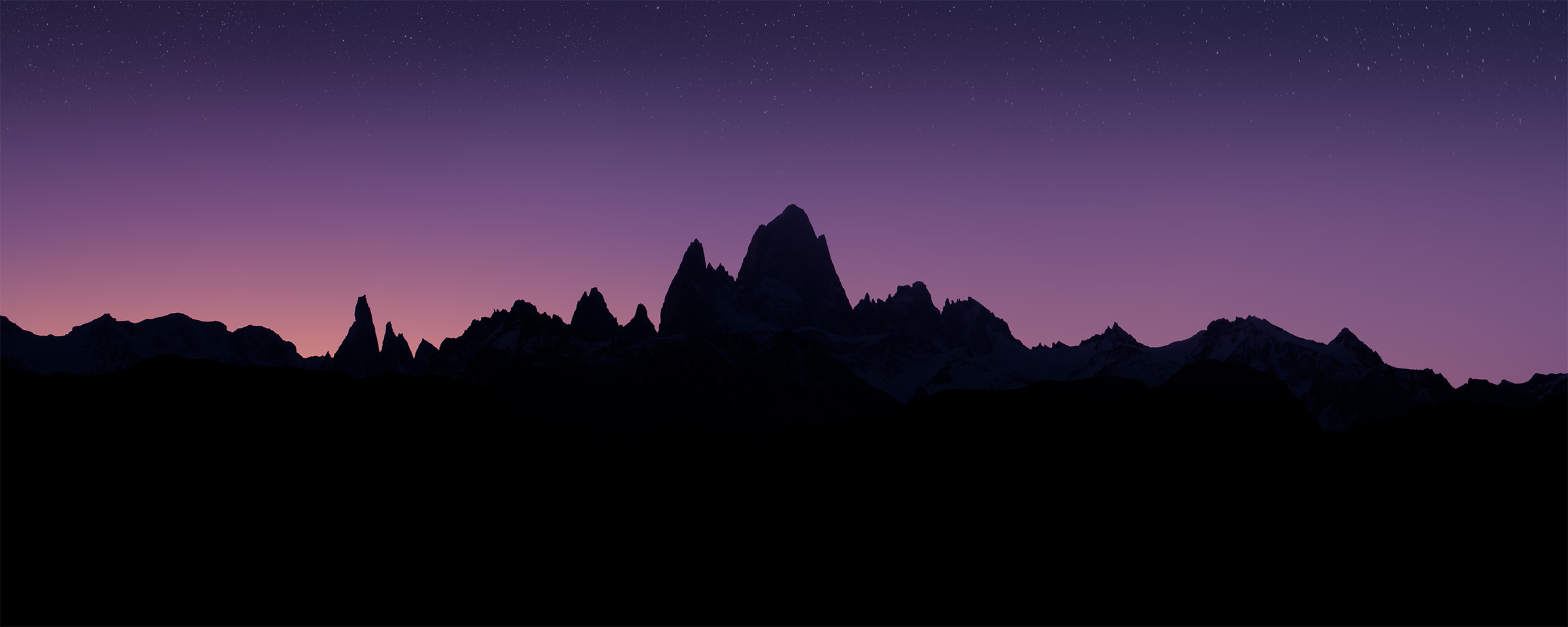
A Pause Before Darkness was made in Patagonia before the stars were fully visible, standing in the quiet before dawn as the jagged peaks of Fitz Roy emerged as silhouettes against a sky moving through deep violet and rose. There was almost no light in the conventional sense. The mountains were black shapes against a sky that had not yet decided what color it was going to be. The stars were beginning to appear in the upper register of the frame.
And yet this image stops people. Not with excitement or awe in its dramatic register, but with something quieter and perhaps more lasting. The psychological response to this quality of light is closer to what I described in the attention restoration post as soft fascination, an effortless, gentle engagement that asks nothing of the directed attention system and allows something deeper to simply rest. The darkness here is not empty. It is full of quiet, and that fullness is what the image carries into a space.
In the digital darkroom, this is the image I work with most carefully. There is almost nothing to add. The light that exists is all there is, and the task is preservation rather than enhancement. Protecting the precise quality of that violet, the subtle warmth at the horizon where the last of the day still lingered, the way the star field begins to populate the upper sky without yet dominating it. The feeling of being held in a moment of genuine transition, between day and night, between noise and silence, between the world's demands and your own stillness.
The peaks of Fitz Roy emerge as silhouettes against a sky in transition, moving through violet and rose toward the full dark of night. This is not dramatic light. It is its opposite: the quiet that arrives when the day has finished making demands and the night has not yet begun.
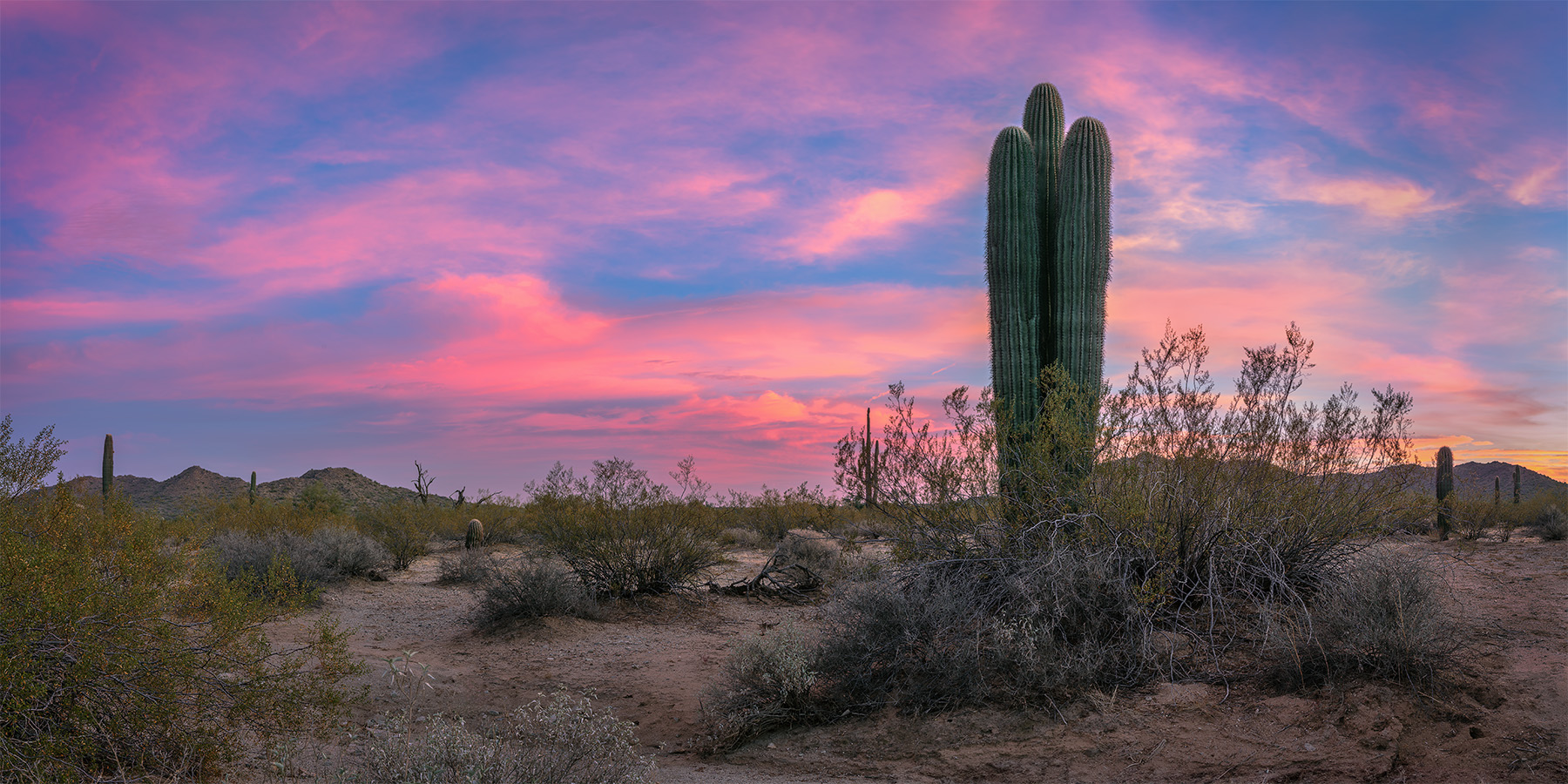
View Available Prints of Pastel Horizons
The Darkroom as Psychological Instrument
People sometimes ask whether my images are manipulated. The honest answer is that they are cultivated.
Nature does not always deliver the feeling of a place in a single frame. The light that stopped me in my tracks was real, but it existed across a range of conditions, angles, and moments that no single exposure can fully capture. In the digital darkroom I work with what nature provided, using light to sculpt and shape the image in the same way the landscape itself was sculpted by the light I experienced there. I am not inventing something that was not present. I am reconstructing the feeling of what was.
This matters because the psychological function of the image depends on it. A technically correct photograph that does not carry the emotional truth of the experience is a record, not an artwork. What I am trying to deliver to the viewer, and ultimately to the collector who chooses to live with one of these images, is the felt experience of standing in that light. The excitement of the Firefall. The expansiveness of the jetty sunset. The sacred geometry of the Monument Valley corridor. The focused intimacy of the light beneath the pier. The quiet fullness of the Patagonian twilight.
Each of these emotional states is a direct product of a specific quality of light. Understanding that is what separates a photograph that decorates a wall from one that changes how a room feels every time you enter it.
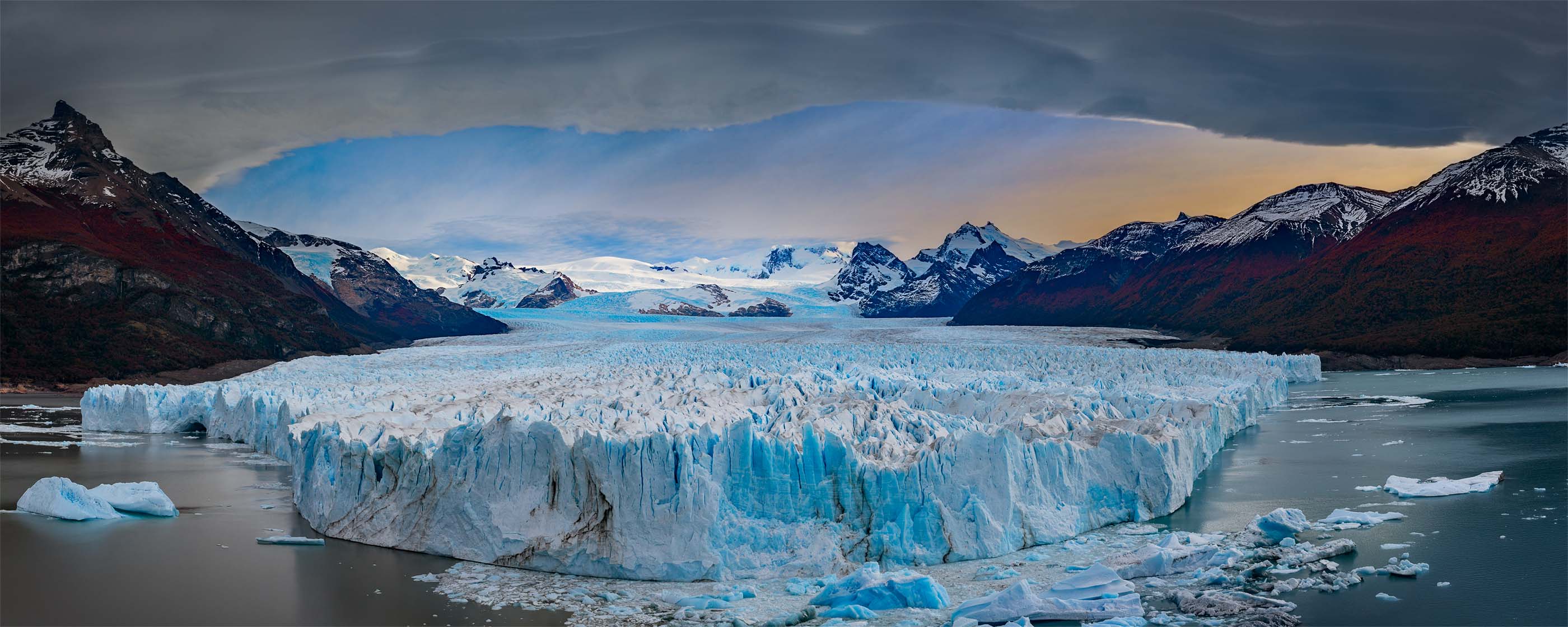
View Available Prints of Unveiled Heaven
Choosing Light You Want to Live With
When you are selecting fine art landscape photography for your home or workspace, you are choosing more than a subject or a color palette. You are choosing a quality of light and the psychological experience that light reliably produces. A dramatic sunrise image will bring energy and expansiveness into a space. A quiet transitional image will bring stillness and depth. A focused architectural light image will bring contemplation and a sense of threshold.
None of these is better than another. But they are different, and the difference is felt rather than seen. The question worth asking when you stand before an image is not only whether it is beautiful. It is what the light in that image does to you, and whether that is something you want to carry into your daily environment for years to come.
Light is the language. The landscape is what it is saying.
Living With Light
Every image in this collection is, before it is anything else, a quality of light held still. When you choose one to live with, you are choosing the psychological experience that light produces every time you enter the room: the energy of a sunrise, the stillness of a fading dusk, the focused calm of light drawn through a frame.
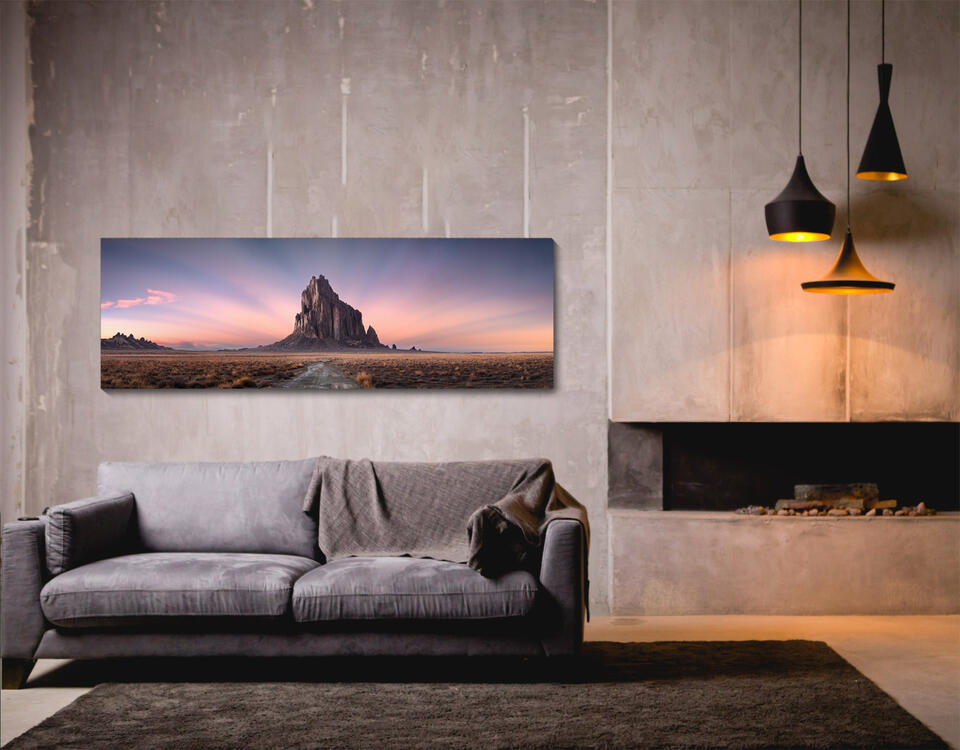
I invite you to spend time with the full collection and notice which quality of light you return to. And if you are considering a particular wall or room, I am always glad to think it through with you. A complimentary digital mockup will let you see how a given light lives in your own space before you decide. There is no urgency in any of this. Light you intend to live with for years is worth choosing slowly, and on purpose.
Featured Fine Art Prints for The Language of Light
Steve Austin is a psychology professor and fine art landscape photographer. His limited edition landscape prints are available through Steve Austin Fine Art Photography at steveaustinphotography.com. Complimentary digital mockups are available for those who would like to visualize a piece within their own space.