Where Attention Holds: The Quiet Pull of Soft Fascination
There is a kind of image you do not finish looking at. You arrive, your eye begins to move through it, and some while later you notice you are still there, having gone nowhere in particular and felt no urge to leave. Nothing in the frame demanded that you stay. Nothing released you either. You were simply held.
This is the third piece in a short series about what photographs do to attention before they do anything else. The first, Where Attention Opens, was about awe and scale, the way a vast scene widens the visual field and loosens the grip of self-focused thought. The second, Where Attention Leads, was about the receding path, the way a composition gives the eye a route and a quiet journey to follow into the depth of the frame. Each of those describes attention in motion, either expanding outward or traveling forward. This piece is about where that motion comes to rest, not at a hard stop, but in a gentle, sustained hold. It is about the images that keep the eye without ever asking for it.
View Available Prints of Horizon Gate
The difference between captured and held
We tend to praise photographs for grabbing attention. We call a strong image eye-catching, arresting, hard to look away from. The language is the language of capture, and it describes something real. A dramatic sky, a burst of color, a moment of tension all seize the gaze and keep it by force of stimulation. Environmental psychologists have a name for this. They call it hard fascination, the involuntary grip of something urgent or spectacular. It is compelling, and it is also, in a quiet way, demanding. It commands the visual system rather than letting it settle.
There is a second kind of attention that works in almost the opposite direction. Rachel and Stephen Kaplan, whose attention restoration theory underlies much of how I think about this work, called it soft fascination, the effortless, low-key interest you feel watching a fire, a slow river, or wind moving through grass. Soft fascination holds the eye gently enough that the mind is occupied but not taxed, and in that loosened state the directed attention you spend all day, the deliberate, effortful focus you use to write an email or hold a hard conversation, is allowed to recover. Directed attention is a finite resource. It fatigues, and willpower does not refill it. Soft fascination does, quietly, while you are not trying.
The whole subject of this piece is that second kind of looking. Not the image that captures you, but the image that holds you. The eye is occupied, but relaxed. It moves, but it is not driven. And it is worth being honest about what the evidence does and does not say here. The research on this is robust for real natural environments, and meaningful but more modest for photographic representations of them. A print is not a forest. What a well-made print can do is offer the same effortless, undemanding quality of engagement that the research associates with recovery, and keep offering it on a wall where the alternative is blank space or visual noise.
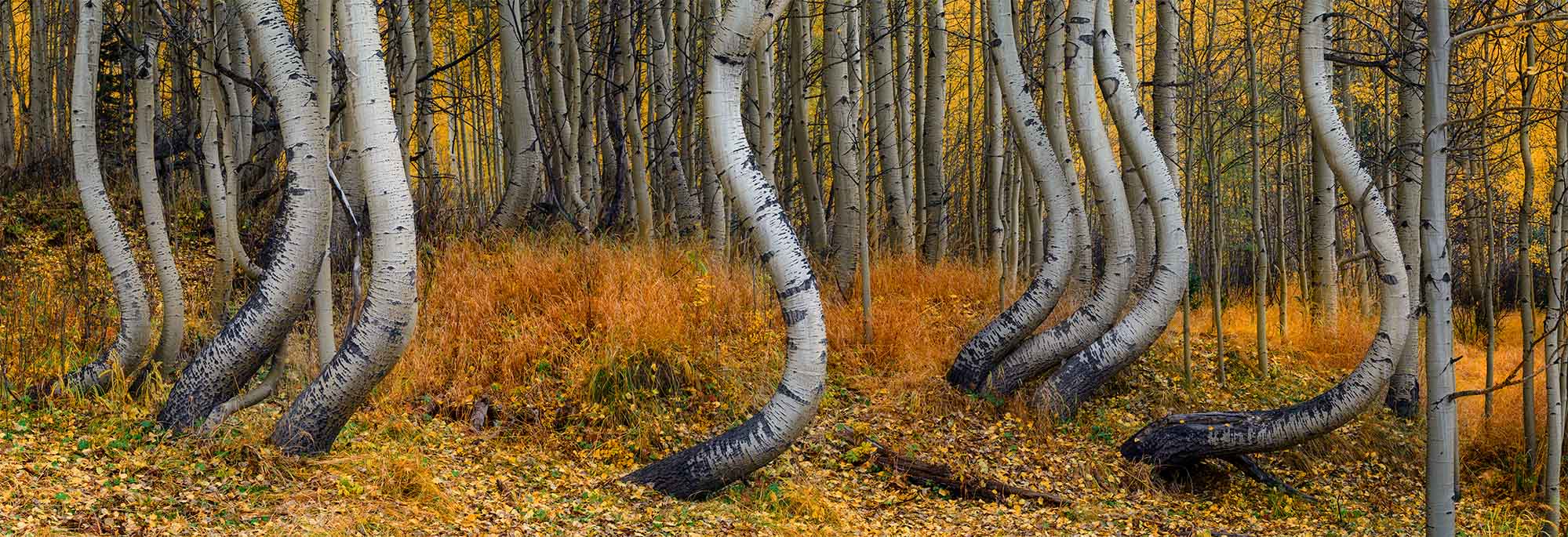
View Available Prints of In Rhythm
An image that keeps the eye without asking
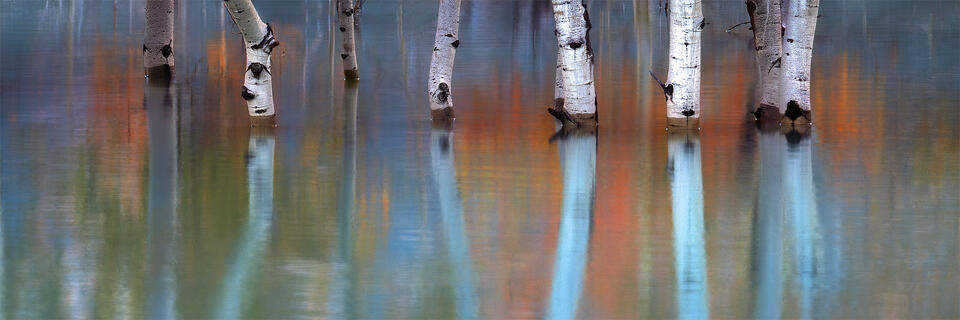
In Rhythm is the clearest example I have of holding rather than capture. There is no single element shouting for the eye, no one point that resolves the image and ends the looking. Instead the composition repeats and layers in a soft, unhurried cadence, and the gaze drifts through it the way it drifts across moving water. You can rest inside the frame. Attention wanders and recovers without being asked to do anything, which is soft fascination in almost its purest visual form.
This is the quality I am actually looking for in the field, though it took me years to name it. I am not searching for the most beautiful scene. I am paying attention to how a place behaves once my mind quiets, whether it pulls at me or simply holds me, whether the eye is being commanded or invited. Those are psychological questions before they are aesthetic ones, and they decide which images become candidates for this collection.
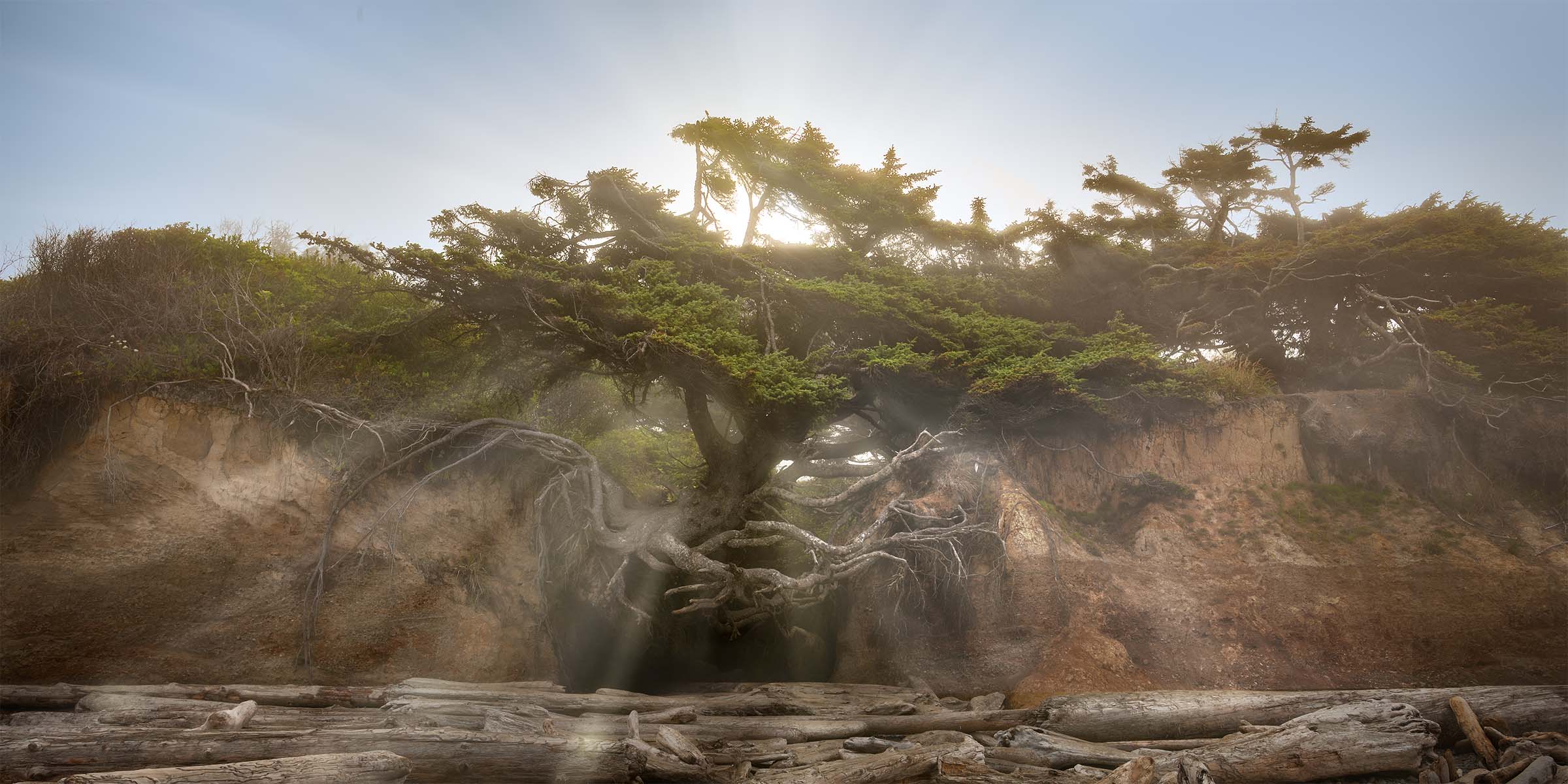
View Available Prints of Holding On
Complexity that rewards return
A common assumption is that restful images must be simple, that calm means emptiness. Often it does. But there is a second route to a sustained hold, and it runs through complexity rather than away from it. The key is that the complexity be structured rather than chaotic, layered in a way that gives the eye somewhere to wander and a reason to return.
Holding On, the tree clinging to its rocky ground, is built this way. The longer you look, the more the image gives up: the figure hidden in the roots, the way the light moves through, the slow logic of how a living thing found purchase where it should not have. None of it arrives at once, and none of it competes. The eye explores, drifts off, and comes back, and because there is always a little more to find, the image resists the fading that affects simpler pictures over time. Psychologists call that fading habituation, the way a stimulus stops registering once it becomes familiar. Structured complexity is one of the few things that holds it off, which is exactly what you want from an image you intend to live with for years rather than glance at once.
I should note the small play on words, since you will feel it: an image titled Holding On inside an essay about where attention holds. I am leaving it deliberately. The tree is doing with its roots what the image does with your eye.
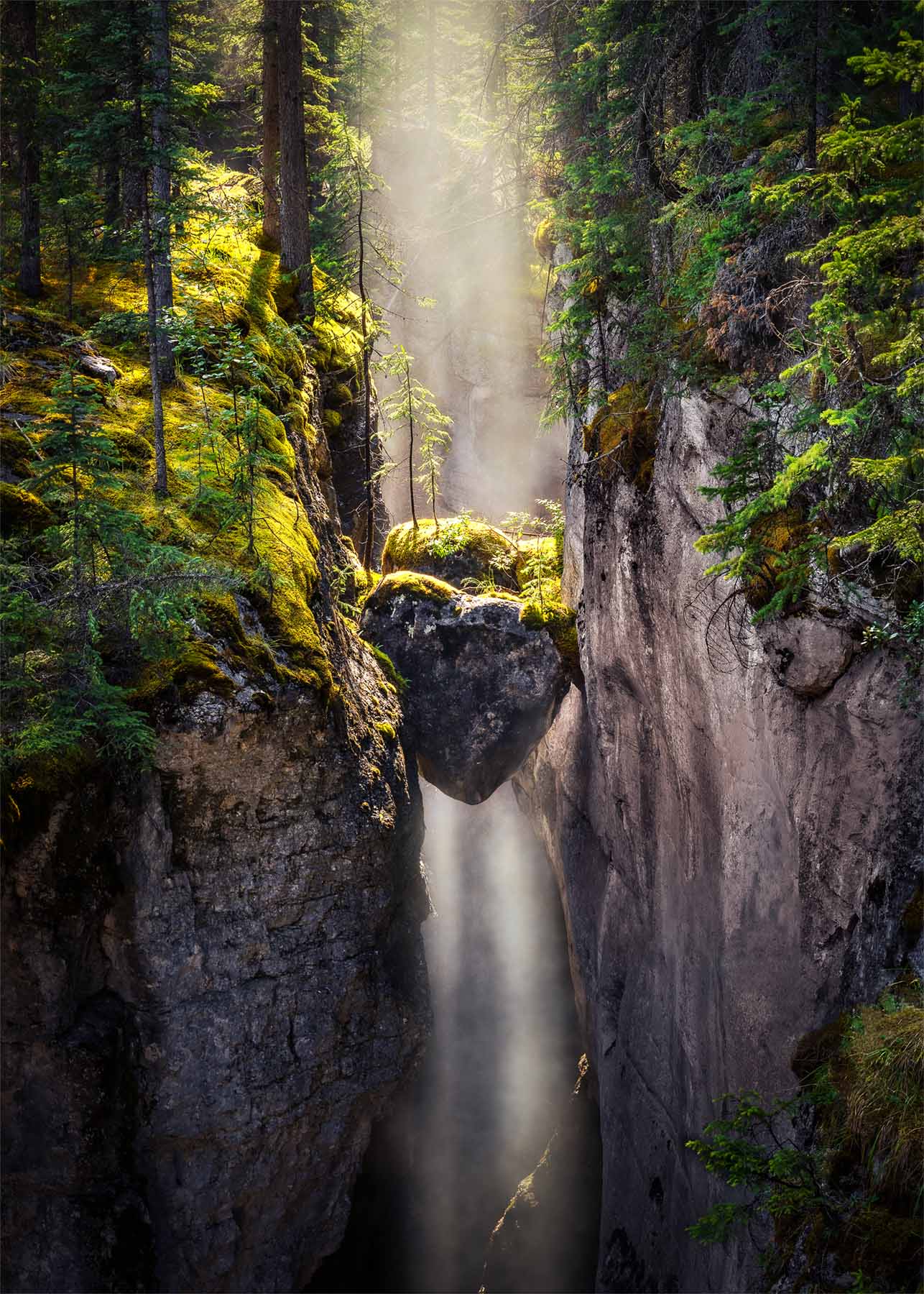
View Available Prints of Heart of the Forest
Being inside, rather than looking at
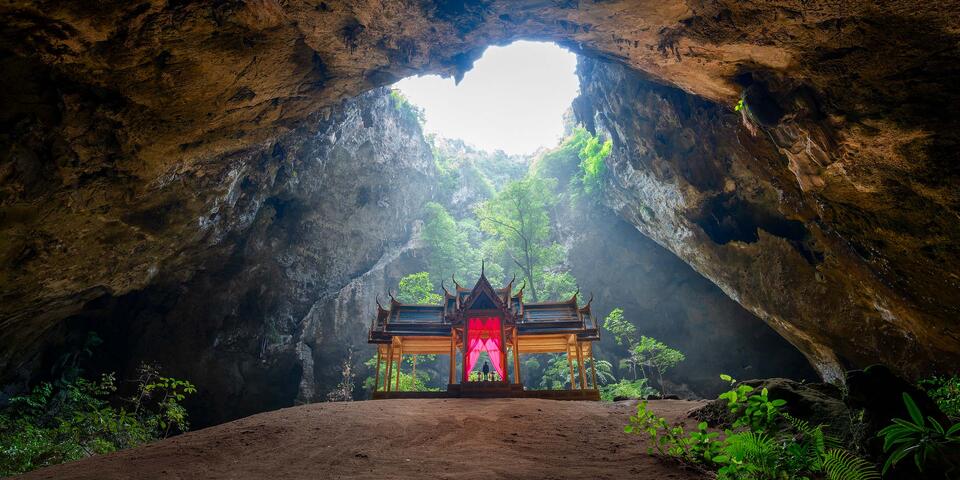
There is a difference between looking at a landscape and feeling enclosed by one, and the second is its own kind of hold. Heart of the Forest works by envelopment. The vertical canyon walls, the mist moving through the light, the sense of being down inside the scene rather than observing it from a comfortable distance all close gently around the eye. There is no horizon to escape toward and no single subject to fixate on. The image surrounds you at a low volume, and you settle into it the way you settle into a quiet room.
This is also why I wanted a vertical, enclosed image in this group rather than another open vista. Variety here is not decoration. Different compositions hold the eye through different mechanisms, and a post that moves from open rhythm to layered complexity to immersion is showing the reader that soft fascination is not one look but a family of them.
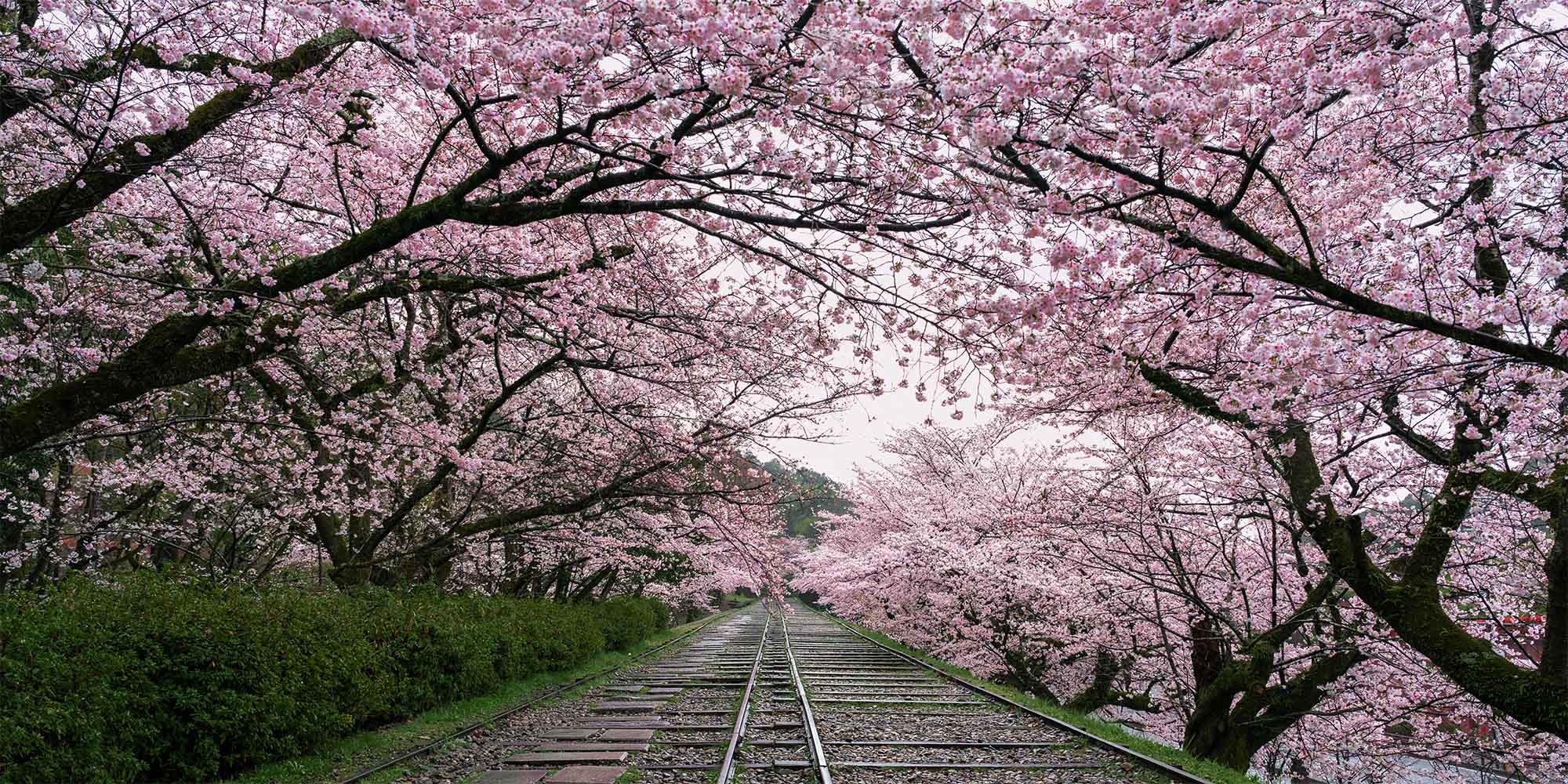
View Available Prints of Fleeting
A canopy to drift in, an anchor to return to
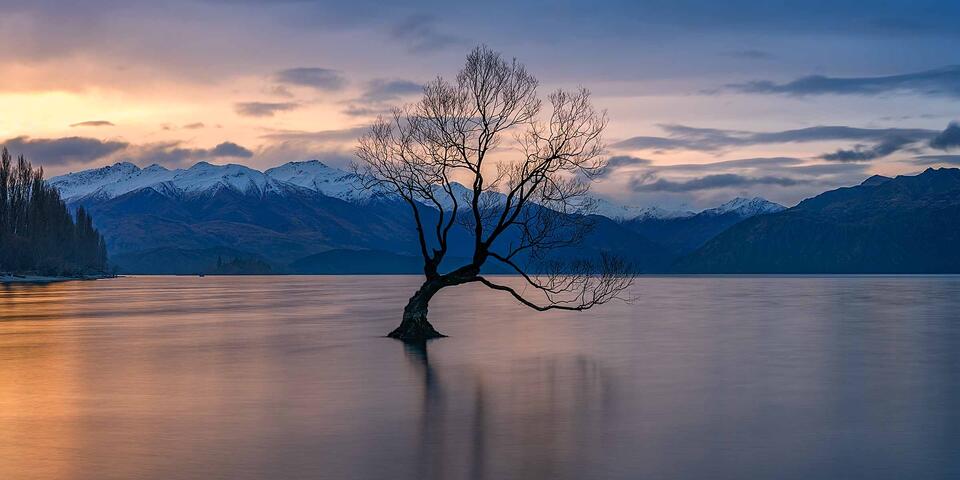
Fleeting brings a different season and palette into the set, and it demonstrates the hold from one more angle. The canopy of blossom overhead is endlessly explorable, dense and soft and slightly different everywhere the eye lands, while a quiet anchor low in the frame keeps the wandering from becoming restless. The gaze roams the canopy, settles for a moment, and roams again. There is a faint forward pull in the composition, a gentle echo of the receding path from the previous essay, but here it is the canopy, not the line, that does the work. The line only keeps you from drifting away.
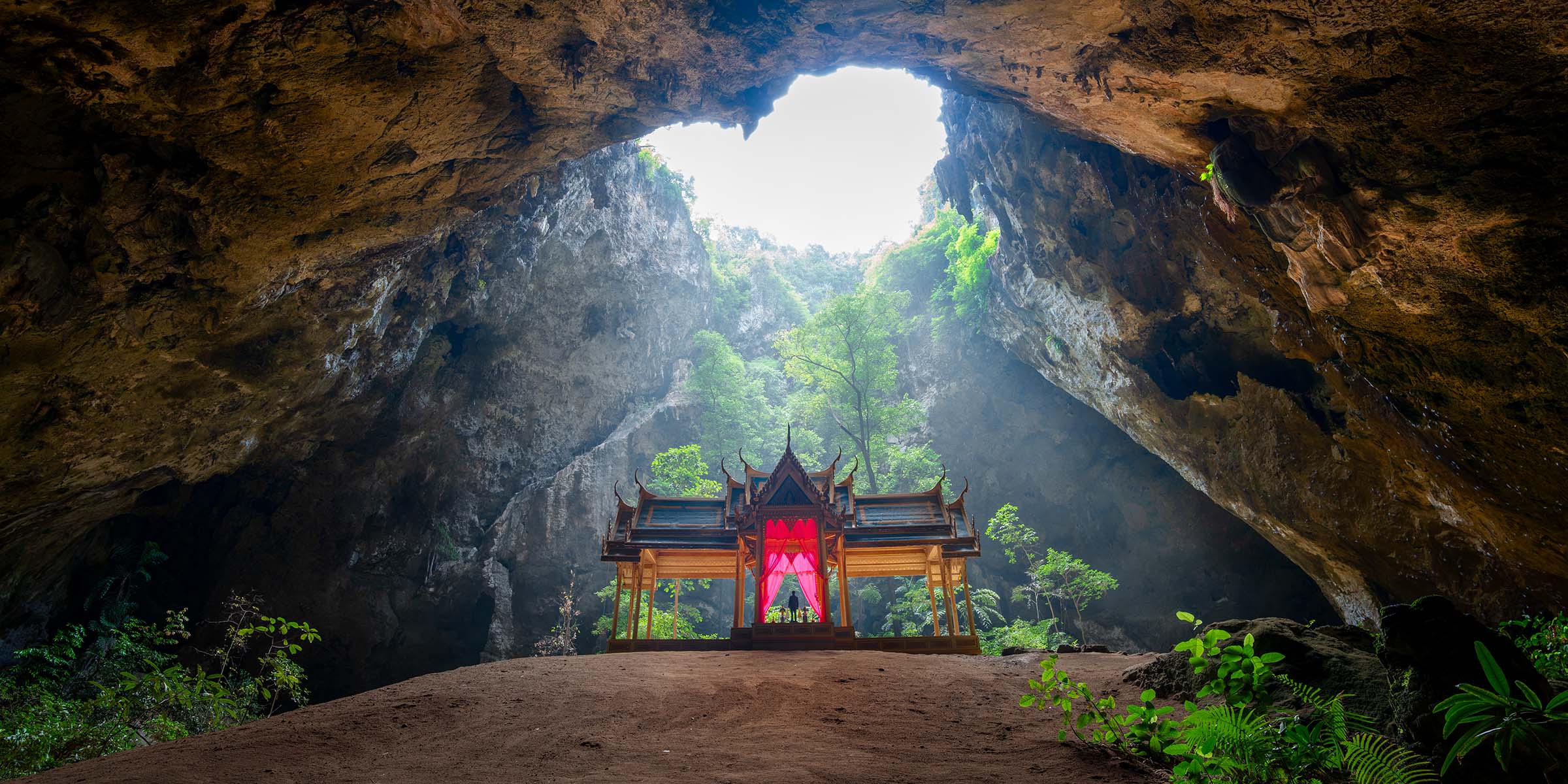
View Available Prints of A Temple Within a Temple
What a held gaze is worth
A photograph on your wall is not something you look at on occasion. It is part of the visual environment your mind is reading continuously, beneath awareness, all day. An image that captures will give you a jolt the first several times and then fade into the wall, its novelty spent. An image that holds behaves differently. Because it never demanded much, it has little to lose, and it goes on offering the same low, renewable invitation to rest, year after year, on an ordinary Tuesday when you have nothing in particular to feel and simply look up.
That reliability is the quiet argument of this whole series. Awe opens the mind. The path leads it somewhere quieter. And then, in the best images, attention finds a place to stay, occupied and unhurried, held without being asked. In a life that spends your attention constantly and returns very little, an image that gives some of it back, gently, every day, is worth more than it first appears.
Featured Fine Art Prints for Where Attention Holds
Steve Austin is a psychology professor and behavioral neuroscientist whose limited edition landscape photography is grounded in attention restoration theory, biophilia, and the documented psychological effects of nature exposure. He approaches the photograph not as decoration but as an environmental intervention, designed to reduce mental noise and restore psychological steadiness.